Song Meaning
The lyrics paint a stark picture of lingering grief and disorientation following a significant loss. The opening lines, "No one can take the felling away," immediately establish a sense of permanent emotional impact, a feeling that has become a constant, unwelcome companion. The jarring image of a "car crash in my dreams" suggests a traumatic, sudden event, while the plea, "Please let me understand why i feel this way constantly," underscores a profound confusion about the enduring emotional state. This isn't just sadness; it's a pervasive chill, a feeling of being perpetually "cold."
The central tension arises from the narrator's inability to move past the absence of another person. The line "Never awake without you" is particularly striking, implying a deep codependency or a sense that life itself lost its vibrancy with their departure. This isn't a simple longing for a past relationship; it's a statement that the narrator's very consciousness is tied to the lost individual. The desperate wish, "I want my friends back," hints at a social isolation that has accompanied this grief, suggesting the loss has fractured not just personal connections but also the narrator's ability to engage with their wider social circle.
The craft here is in its raw, almost fragmented presentation, mirroring the narrator's shattered state. The repetition of "Never awake" amplifies the feeling of being trapped in a perpetual state of emotional paralysis. The contrast between the memory of a "warm way you waved goodbye" and the current state of being "constantly cold" highlights the profound shift from comfort to desolation. The seemingly contradictory phrase, "Trust me, it won't hurt," delivered in this context, feels less like reassurance and more like a desperate, perhaps self-deceptive, attempt to rationalize the unbearable pain.
Ultimately, these lyrics resonate because they capture the disorienting and isolating nature of profound loss. The writing doesn't offer easy answers or platitudes; instead, it immerses the listener in the raw, confusing emotional aftermath. The effectiveness lies in its directness, its unflinching portrayal of a mind struggling to reconcile a traumatic event with a present that feels irrevocably broken and perpetually cold.
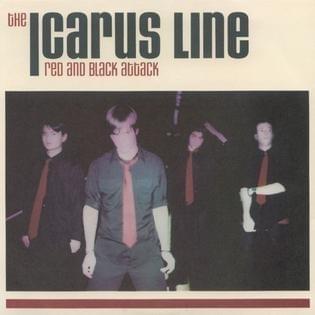
 View Artist