Song Meaning
The lyrics paint a stark picture of love lost and the lingering aftermath. The opening lines set a somber, almost surreal tone, contrasting 'colors of places not right' with the arrival of a 'beautiful night,' hinting at a deceptive calm before a storm. The narrator acknowledges a past love, a love that was reciprocated but ultimately ended with a definitive 'goodbye.' This sets up the central conflict: the painful reality of abandonment versus the narrator's attempt to suppress their own grief.
The core tension lies in the narrator's internal struggle to detach. They plead, 'Try, think of yourself and not I,' a plea that seems directed both at the departed lover and themselves, an effort to rationalize the breakup. Yet, this resolve is immediately undercut by the raw admission, 'Loved, loved you with passion and pride.' The repetition of 'loved' emphasizes the depth of feeling, making the subsequent 'goodbye' and the image of flowers on a grave all the more devastating. The narrator claims they 'won't shed tears,' a defiant stance against the pain that feels increasingly hollow.
The most striking image is the recurring motif of the 'grave' adorned with flowers. Initially, it's the departed lover who 'took you away,' implying a death or severe departure. But the final lines twist this, stating, 'Leave the flowers you sent on my grave' and 'flowers fell down on my grave.' This suggests the narrator feels metaphorically dead, or perhaps anticipates their own demise, haunted by the very tokens of affection from a love that has now become a morbid monument to their own sorrow. The 'night' becomes a recurring symbol, first as a beautiful, perhaps deceptive, entity, and later as a place of hiding, where 'no good is the love nor the pain.'
This lyrical construction is effective because it juxtaposes a desire for stoicism with overwhelming emotional evidence. The narrator's insistence on not crying or staying clashes with the profound sense of loss and the vivid, unsettling imagery of a personal grave. The shift from the lover taking someone away to flowers being left on the narrator's own grave is a powerful, melancholic turn, highlighting a profound sense of abandonment and a love that has become a burden, even in absence.
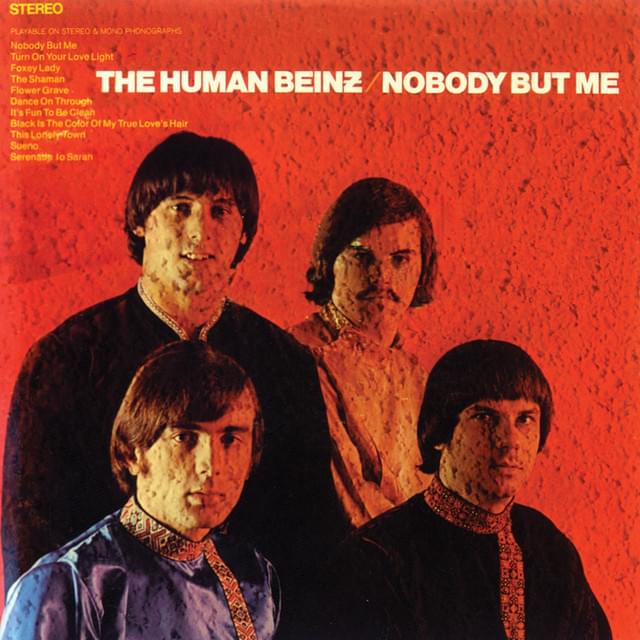
 View Artist