Song Meaning
The lyrics paint a stark picture of a relationship in its painful final throes. The speaker is desperate to leave, having "tried so many ways out," yet remains entangled. A profound internal conflict emerges: the inability to reciprocate love despite the words spoken. The central truth is clear: "The feeling is gone."
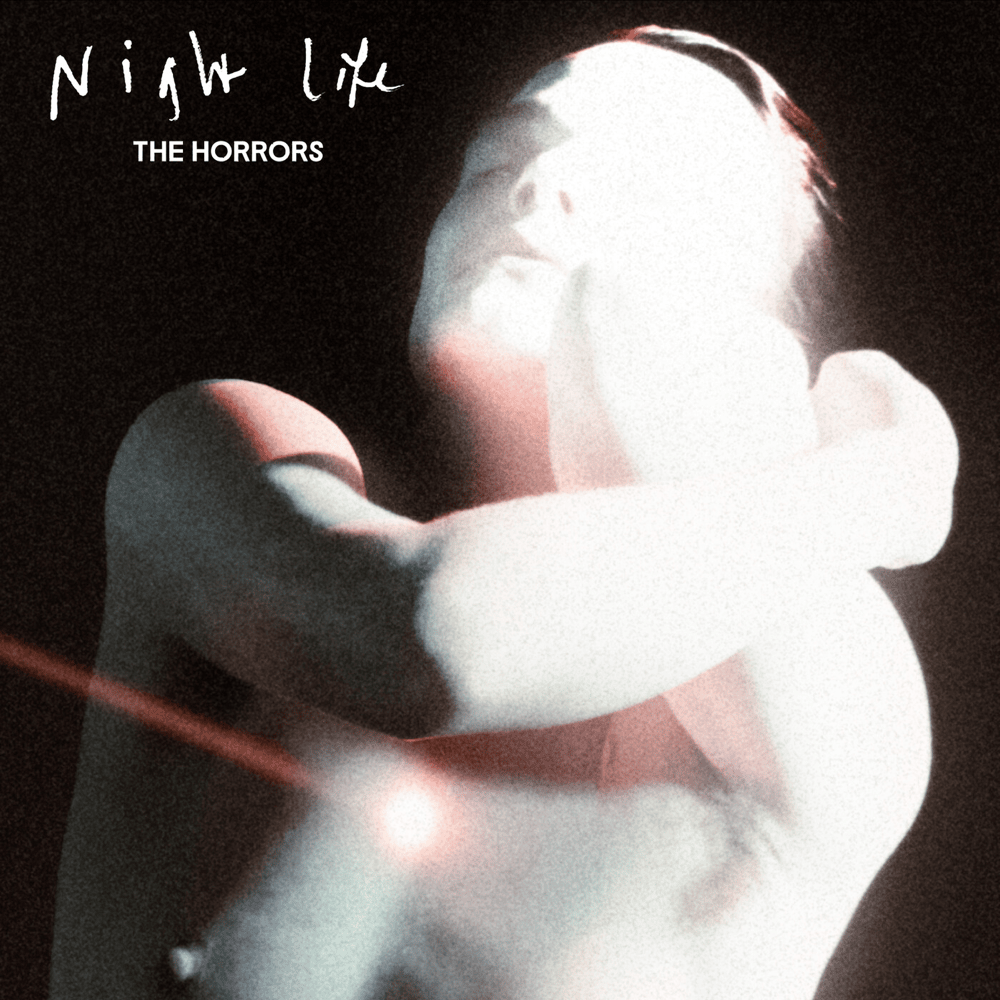
This isn't just a breakup; it's a battle against a fading heart, underscored by the repeated refrain, "The feeling is gone." The speaker feels trapped, lamenting, "If I could only love you as I say," highlighting a painful disconnect between words and emotion. The physical struggle of "hold me even as I pull away" vividly captures the lingering, unwanted intimacy and the other person's persistent grip.
The speaker's self-reproach intensifies in the chorus, asking, "Who am I? That I'd watch you suffer?" This isn't just about ending things, but about the perceived cruelty of staying, or of having "win you over just turn away." Verse 2 introduces a fleeting escape through observing "dim lit silhouettes" in "darkened doorways." These anonymous "lives are spilling over" into the speaker's own body, suggesting a desperate search for connection or a reflection of their own emotional turmoil, even as they continue to "turn away."
What makes these lyrics resonate is their unflinching honesty about a love that has simply evaporated, leaving behind a residue of guilt and regret. The repetition of "The feeling is gone" isn't just a statement; it's a heavy, undeniable truth that the speaker struggles to accept and act upon. The final admission, "Left it too long," adds a layer of self-condemnation, acknowledging the prolonged agony for both parties. The lyrics effectively capture the quiet devastation of a relationship ending not with a bang, but with a slow, agonizing fade.
 View Artist