Song Meaning
These lyrics immediately establish a poignant tension: a speaker offers their entire self, yet simultaneously grants complete freedom. Phrases like "All I've got inside" and "Here with open arms" convey deep vulnerability and welcome, but they are consistently undercut by the gentle, firm release: "But you don't have to wait" or "you don't have to stay." It's an invitation that comes with its own escape clause.
The central emotional conflict here is the speaker's unwavering commitment colliding with their profound respect for the other's autonomy. The repeated declaration, "We're gonna try," underscores the speaker's intent and effort. Yet, this effort is always presented alongside the explicit understanding that the other person is not obligated, creating a bittersweet dynamic where hope and acceptance coexist.
An intriguing shift occurs with the lines, "Seems they never knew / That sun follows the night." This observation, paired with "If your love don't glow / Must be the river's fault," introduces a broader, almost fatalistic perspective. It suggests that some things, like natural cycles or the presence of love's "glow," might be beyond human control or personal blame, perhaps even the speaker's own earnest efforts. This poetic externalization of responsibility adds a layer of philosophical depth to the personal plea.
Ultimately, these lyrics resonate because they capture a complex emotional truth: the courage to offer everything while possessing the wisdom to understand that connection cannot be forced. The writing effectively conveys a mature, almost painful form of love that prioritizes the other's freedom, making the speaker's vulnerability all the more impactful. It's a quiet testament to trying, even when the outcome is uncertain and potentially beyond one's grasp.
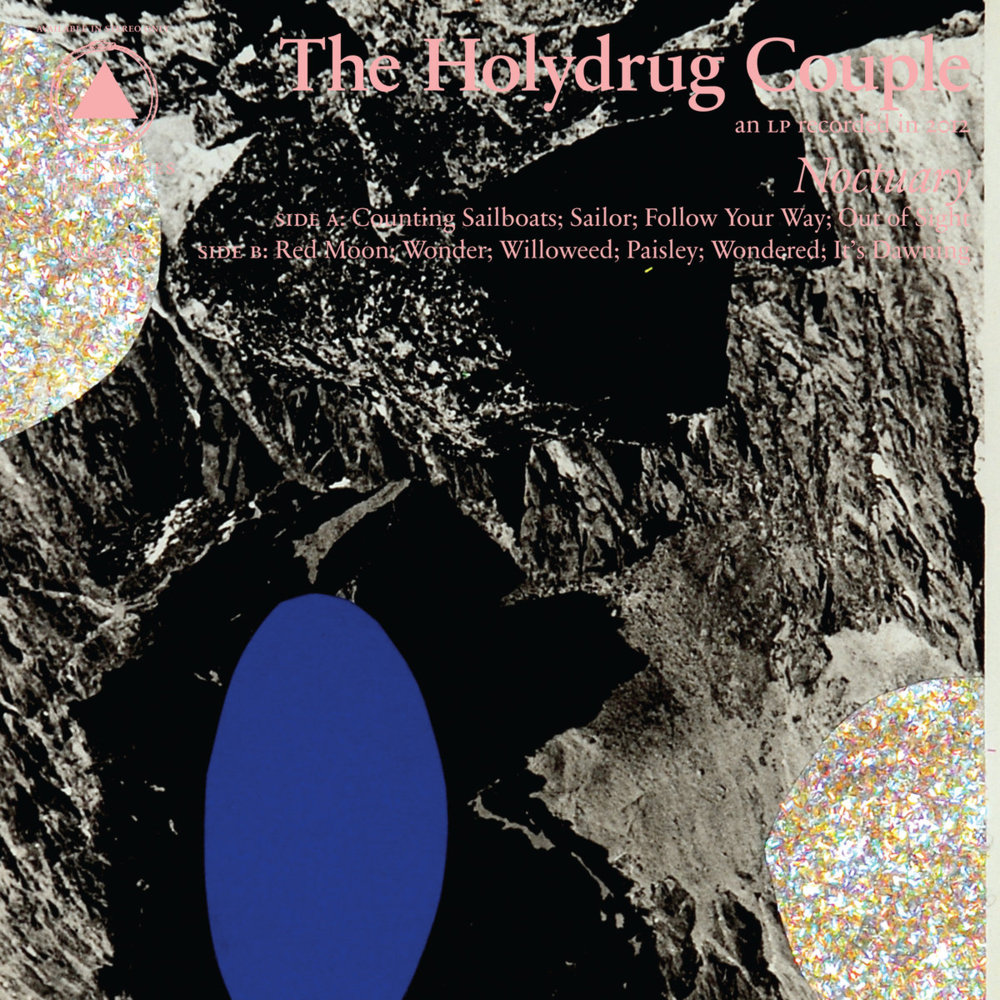
 View Artist