Song Meaning
This track opens with a stark contrast: the grand sweep of historical conflict, with Washington and Rochambeau facing off against Hessians, is immediately undercut by the mundane reality of soldiers spending their pay and drinking by the fireside. The narrator points out the futility of their war efforts in this state, framing it as a losing proposition. It's a sharp, almost cynical observation that grounds the epic in a very human, and perhaps irresponsible, present.
The song then pivots dramatically, shifting from the battlefield to a scene of revelry and music. The call to gather instruments – a fiddle and a banjo – and pass around a jug signals a deliberate choice to embrace immediate pleasure over the grim demands of war. This isn't a call to arms, but a call to a performance, a moment of shared enjoyment and escapism, ironically titled "Soldier's Joy."
The lyrics take a personal turn in the third verse, with the narrator declaring themselves a "random child," a "darling child," and an "angel child," asserting a desire to remain unmarried for a while. This personal declaration of independence and self-definition feels like a direct response to the societal or familial expectations that might otherwise pull them into a more conventional life, perhaps even one tied to the very war being dismissed earlier.
Finally, the abrupt shift to "Rock the cradle, Lucy / Don't let the baby die!" introduces a potent, almost desperate plea. This could be interpreted as a plea for continuity, for the preservation of innocence or a future in the face of the destructive forces implied by the war. The juxtaposition of the historical conflict, the revelry, the personal freedom, and this urgent maternal-like command creates a complex emotional tapestry, suggesting that "Soldier's Joy" is less about martial triumph and more about the fleeting, often contradictory, moments of life that soldiers might cling to.
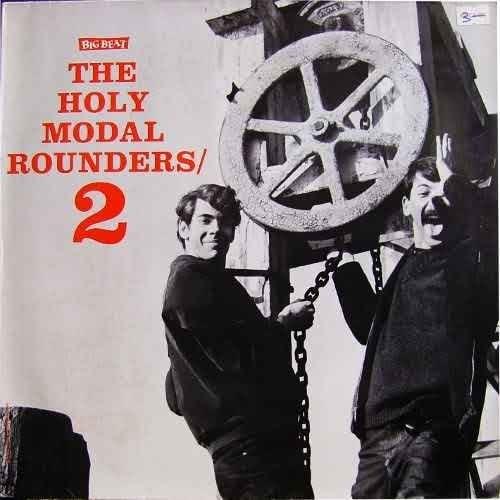
 View Artist