Song Meaning
The lyrics immediately drop us into a domestic scene where "We're here, living together" but facing sharp disapproval. An unnamed "They" questions this arrangement, deeming it outside the norm. The initial tone is one of quiet defiance against traditional expectations.
This tension between the "new generation" and those clinging to the past drives the core conflict. The "We" actively pushes back, asking for mutual support and urging, "Please, don't live in the past." It's a generational clash, with the younger group asserting their identity as a "new cast" breaking from old molds.
The repeated declaration, "It's a sign of the times," anchors the argument. It's not just a personal choice; it's presented as an inevitable cultural shift, making the "They" seem "blind" for not accepting "what's going on." This framing elevates the personal to the societal, suggesting that resistance is futile against the tide of progress. The lyrics even normalize the behavior by noting, "Other folks are doing it," stripping away any sense of individual transgression.
What truly hits hard is the emotional plea for acceptance despite the defiance. The "We" repeatedly reassures, "Don't be hurt," and crucially, "We want your love and blessing." This isn't just about doing what they want; it's about doing it *with* the approval of those who initially disapproved. The ambiguous line, "Till we do the right thing," feels less like capitulation and more like a hopeful bridge to a future where their choices *are* seen as "right." The final stanza delivers on this hope, with "They don't say that it's wrong" and everyone finally getting "along," painting a picture of hard-won harmony.
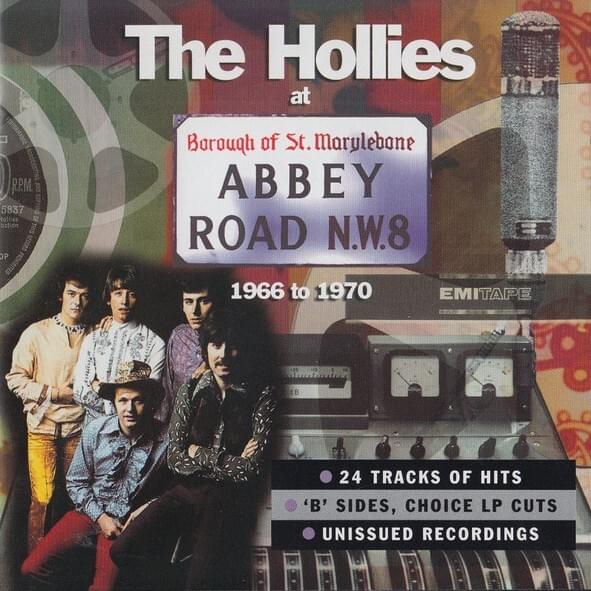
 View Artist