Song Meaning
The lyrics present love as a form of "sweetest amnesty," a powerful, almost divine grace that offers peace and freedom. This concept is introduced with a serene, expansive image: love floating "like a cloud between the sky and sea." The narrator expresses a clear desire for this exchange, repeatedly asking, "I'll give it to you / Could you please give it to me," highlighting a fundamental need for reciprocal affection.
The core tension arises from the acknowledgment that even within love, disagreements are inevitable. The lyrics state, "If we disagree we do it honestly," suggesting a commitment to transparency. This is further elaborated with the idea of "conscientious objection" between two people, implying that individual beliefs or reservations might arise. However, the resolution proposed is to let "our lovin' be / The sweetest amnesty," framing love as the ultimate means of overcoming these internal conflicts.
The most striking craft element is the repeated juxtaposition of "conscientious objection" with "spirits dressed in mystery" that "speak solely through affection." This creates a fascinating dynamic: while individual objections or mysteries might exist, the true communication and resolution are found not in explicit debate, but in the non-verbal, emotional language of love itself. The recurring phrase "sweetest amnesty" acts as a powerful refrain, reinforcing the idea that love provides a profound sense of absolution and peace.
This lyrical approach is effective because it grounds an abstract concept like love in tangible, relatable human experiences of both connection and potential conflict. By framing love as an "amnesty" that can be given and received, and by emphasizing honest communication as a pathway to it, the lyrics offer a hopeful, mature perspective on relationships. The gentle, almost ethereal imagery, combined with the direct plea for reciprocity, creates an emotional resonance that feels both aspirational and deeply human.
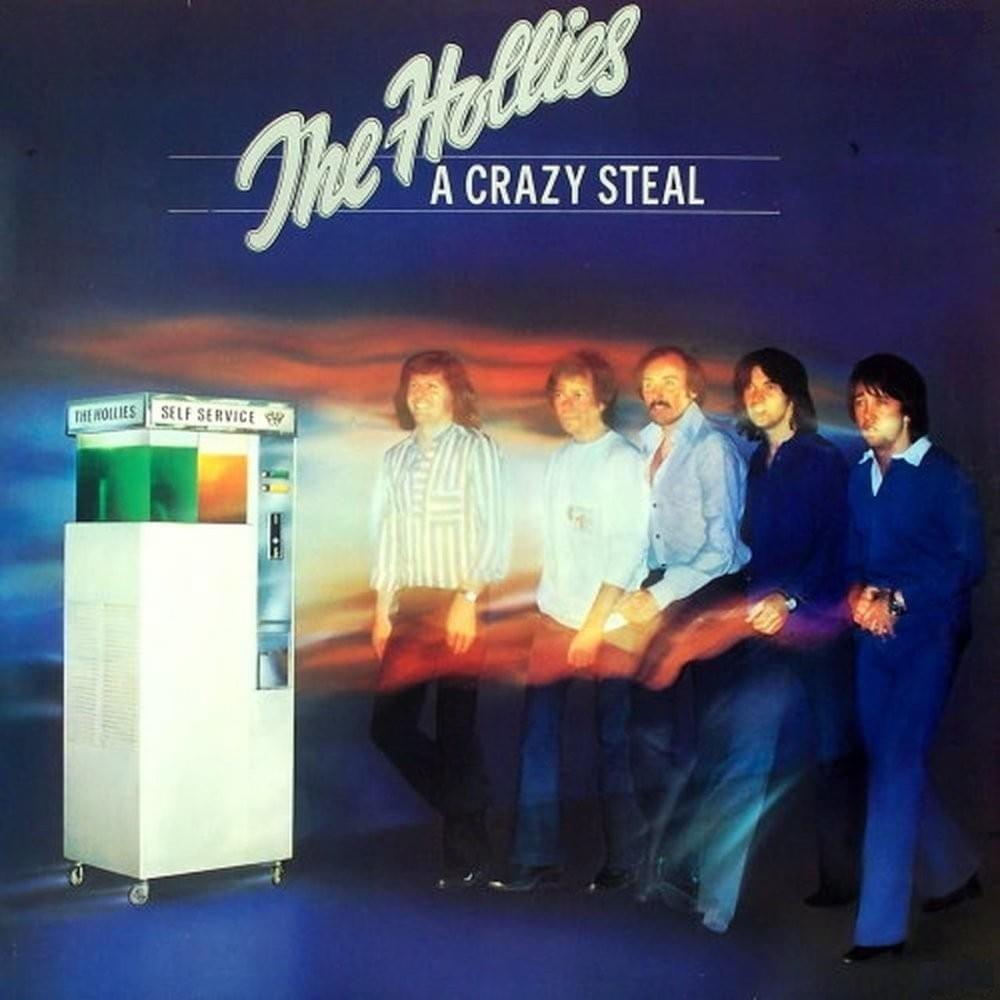
 View Artist