Song Meaning
The lyrics present a playful, almost pedagogical, interaction centered around riddles. The speaker initiates with a direct question, "You like riddles?", setting a tone of shared amusement and anticipation. This is immediately followed by a meta-commentary on riddles as "a very old form of folk humor," framing the subsequent examples as demonstrations of this tradition. The initial setup suggests a lighthearted, perhaps even slightly condescending, lesson.
This dynamic creates a subtle tension between the speaker's authoritative presentation and the listener's implied participation, marked by the "(Yeah)" and the eventual "*groans*." The speaker seems to be guiding the listener through the expected emotional arc of hearing a riddle: the setup, the punchline, and the "appropriate reaction" of a "nice healthy groan." The humor, as described, relies on a specific kind of wordplay and a predictable, groan-worthy resolution.
The craft here lies in the speaker's deliberate pacing and the construction of the riddles themselves. The first riddle, "What lives in a barn and sees equally well out of either end? A blind horse," employs a misdirection that leads to a groan. The second, "What is large at the bottom, small at the top and has ears? A mountain," is even more direct, with the punchline "mountaineers" being a clear, pun-based reveal. The speaker's confirmation, "Yes, I think you've got it, yes," seals the performance, acknowledging the listener's (or the audience's) understanding and participation in the shared, old-fashioned humor.
The effectiveness of these lyrics stems from their self-awareness and the simple, almost ritualistic, exchange they depict. It captures a specific kind of communal, slightly corny, humor where the groan is the desired outcome, a shared acknowledgment of the cleverness or silliness of the wordplay. The lyrics don't aim for profound emotional depth but rather for the satisfaction of a well-executed, if predictable, joke and universally understood, folk joke.
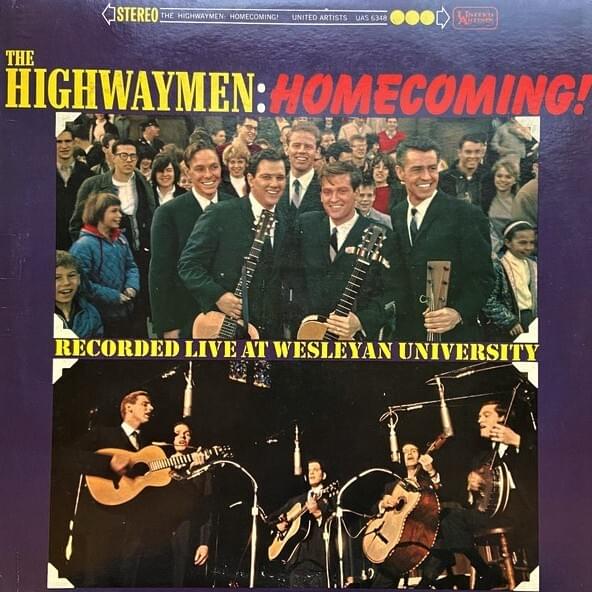
 View Artist