Song Meaning
The narrator claims a defiant indifference to Jenny's departure, asserting that she's easily replaceable. The opening lines establish a dismissive tone, suggesting Jenny was merely a friend and that finding a new romantic interest is a simple matter of time. This initial bravado sets up the core tension: a loud declaration of not caring that feels increasingly fragile as the lyrics progress. The repeated phrase "Jenny's gone, and I don't care" becomes a mantra, almost a desperate attempt to convince himself of his own detachment.
The true conflict emerges from the narrator's internal struggle between this projected indifference and underlying feelings of loss or perhaps even hurt. While he boasts about "lots of girls in love with me," the subsequent verses reveal a persistent preoccupation with Jenny's absence. The question "Why did Jenny run away?" and the speculation about her new love suggest a deep-seated curiosity, if not a lingering attachment. This internal debate between outward confidence and inward doubt is the engine driving the song.
The most striking craft element is the stark contrast between the narrator's spoken words and his subconscious thoughts, particularly in the third verse. He claims not to care, yet the "rain begins to fall" and he "hear[s] her faintly call," only to dismiss it as "just a dream of mine." This juxtaposition highlights the disconnect between his conscious effort to move on and the persistent echoes of Jenny in his mind. The repetition of the chorus, especially the final two lines, amplifies this internal conflict, making the assertion of not caring sound more like a plea than a statement of fact.
Ultimately, the lyrics are effective because they capture the awkward, often contradictory nature of dealing with a breakup or a friend's departure when there might be unacknowledged romantic feelings. The narrator's insistence on his own desirability and his feigned indifference are relatable defense mechanisms. The song resonates because it exposes the vulnerability beneath the bravado, showing how easily a confident facade can crack when confronted with the lingering presence of someone who once mattered.
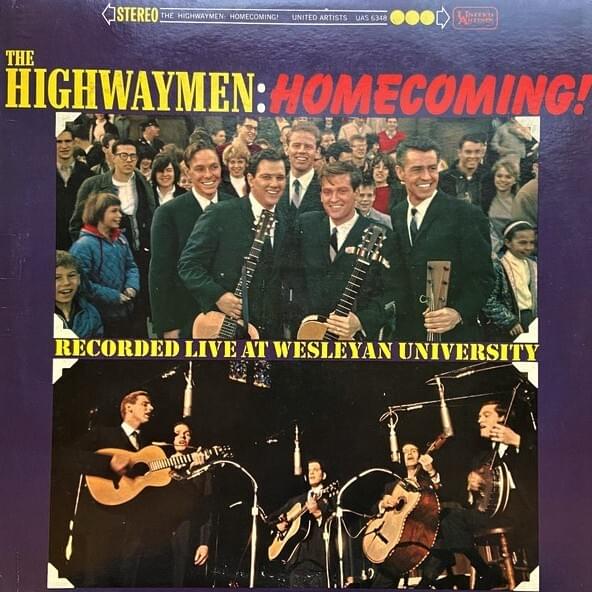
 View Artist