Song Meaning
These lyrics paint a stark picture of a world in the aftermath of massive upheaval. Old powers, whether "martyrs" or "masters," have definitively fallen, never to rise again. A new era dawns, but it's one marked by decay and the lingering shadows of what once was. The dominant emotional texture here is one of somber reflection, almost a resigned cynicism about the passage of time.
The central tension lies in the contrast between the initial significance of these figures and their ultimate fate. From "the fallen, the heroes, the weak" to "the leaders, the outcasts, the pure," the lyrics suggest that everyone, regardless of their role or status, is ultimately "all forgotten." This sweeping sense of oblivion underscores the impermanence of human legacy, reducing even grand narratives to dust.
The repeated refrain, "All that remains are the monuments," initially suggests a physical endurance beyond human memory. Yet, the lyrics twist this idea powerfully, re-contextualizing these structures as "monoliths of the damned." This striking phrase strips away any heroic or celebratory meaning, imbuing the remnants with a sense of judgment or futility. It's a sharp re-evaluation, implying these monuments stand not as tributes, but as silent testaments to a condemned past.
The craft here makes these lyrics hit hard, particularly through the vivid imagery of collapse. "Old decrees falls like hailstones" evokes a sudden, violent end to established order, while a "day of death and dying conviction" suggests a profound ideological demise alongside physical loss. This isn't just about people dying; it's about the very beliefs that sustained them crumbling. The writing effectively conveys a sense of grand, inevitable historical change, where even the most imposing structures become mere markers of what was lost.
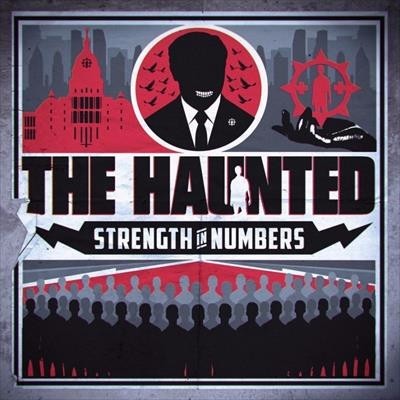
 View Artist