Song Meaning
The lyrics paint a stark picture of death and nature's indifference, focusing on a fallen figure, likely Custer, whose demise is framed not as tragedy, but as a feast. The opening images of golden hair and rose-scented oil contrast sharply with the "poppy red" blood blooming on a "velvet coat," creating a disquieting beauty in the scene of death. This juxtaposition of luxury and violence sets a tone of macabre observation, suggesting that even in moments of historical significance, nature simply carries on, drawn to the physical reality of demise.
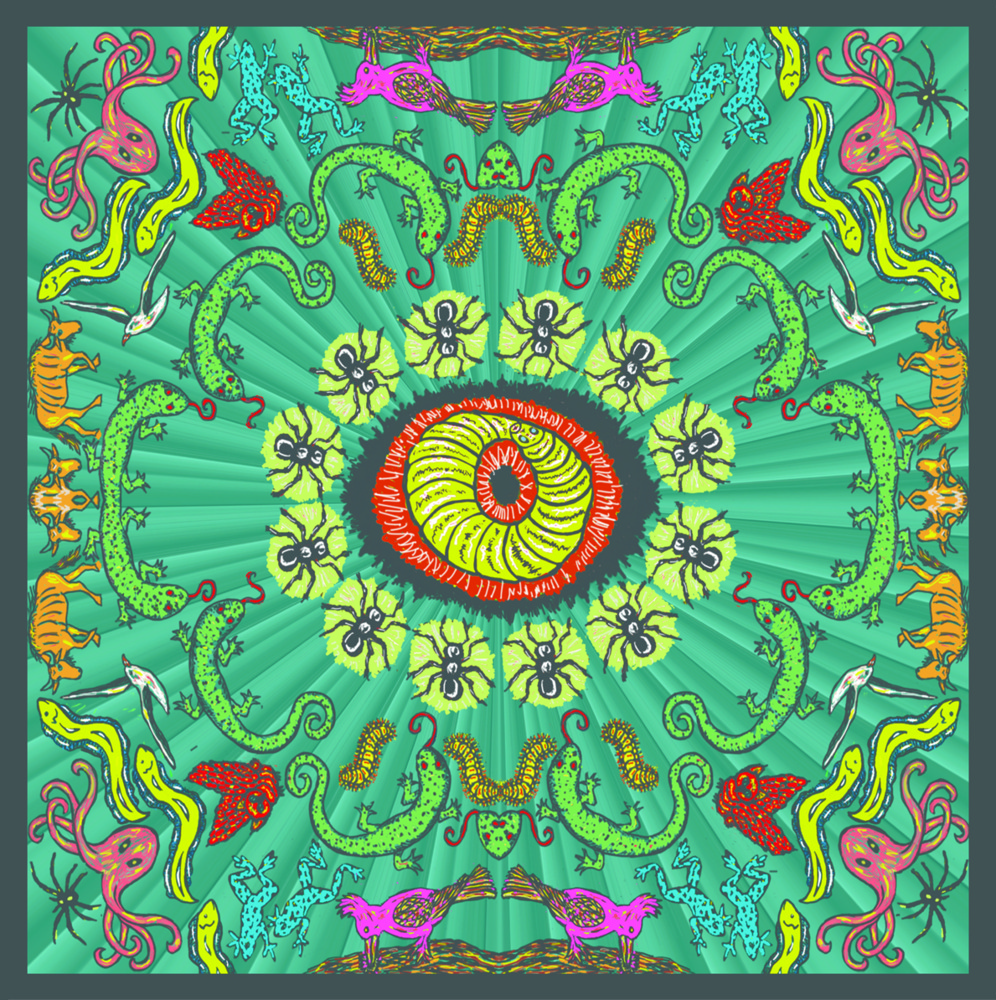
The central tension lies in the contrast between human endeavors and the persistent, unbothered cycles of nature. The lyrics shift from the historical battlefield to a modern Wal-Mart, highlighting how the landscape has been tamed and commercialized, yet the fundamental forces of life and death remain. The "happy kingdom of flies" and the ants fighting for their "glorious queen" represent nature's relentless drive, operating independently of human narratives or perceived importance. Even the "red finches" find refuge and sing their "symphonies" within the artificial structures of human development, underscoring nature's adaptability and persistence.
The most striking craft element is the recurring motif of "empire" contrasted with small, natural life. The "great empire of lawns" is presented as a silent, dominant force, capable of erasing the sounds and struggles of even the "empress of the ants." This deliberate framing emphasizes the overwhelming, often unacknowledged, power of human-made environments to suppress or ignore the intricate lives unfolding within them. The quietness of this "empire of lawns" is a powerful statement on the silencing effect of modern development on the natural world.
Ultimately, these lyrics resonate because they strip away romanticism from death and history, presenting a raw, almost clinical, observation of life's continuation. The focus on the "flies" and "ants" as the true inheritors of the scene, indifferent to human glory or downfall, creates a profound sense of perspective. The writing forces a contemplation of what truly matters when grand human narratives fade, leaving only the quiet, persistent hum of the natural world and its own unyielding cycles.
 View Artist