Song Meaning
The lyrics paint a picture of lingering regret and the inescapable weight of past events. The opening lines establish a sense of unease, where the narrator's presence casts shadows and the "cost of time" is palpable. There's a feeling of isolation, with the "harbor watch" and the "tide unfolds / To find you alone," suggesting a lonely vigil or a moment of stark realization.
The central tension seems to stem from an acceptance of a painful past, encapsulated by the repeated phrase "It had to be that way." This resignation is juxtaposed with the pervasive presence of sorrow, described as existing "in the darkest night" and "in the darkest day against the sun." This contrast highlights how sadness can permeate even seemingly bright moments, making it a constant companion.
The craft here is subtle but effective. The imagery of the "ringing bell" leading to the "wishing well" offers a fleeting moment of hope or refuge, but it's quickly undercut by the "blue memories / Of 1965" that "cloud your dreams / And they crush your mind." This suggests that dwelling on the past, even seemingly distant or nostalgic memories, can be destructive. The final stanza introduces a darker undercurrent, noting that "Violence always sits / Just underneath," hinting at unresolved trauma or a hidden danger beneath the surface of acceptance.
Ultimately, these lyrics resonate because they capture the quiet, persistent ache of what cannot be changed. The writing doesn't offer easy answers but instead immerses the listener in a mood of melancholic reflection, where the past is a tangible force shaping the present and future. The cyclical nature of the sorrow and the acceptance creates a powerful, if somber, emotional landscape.
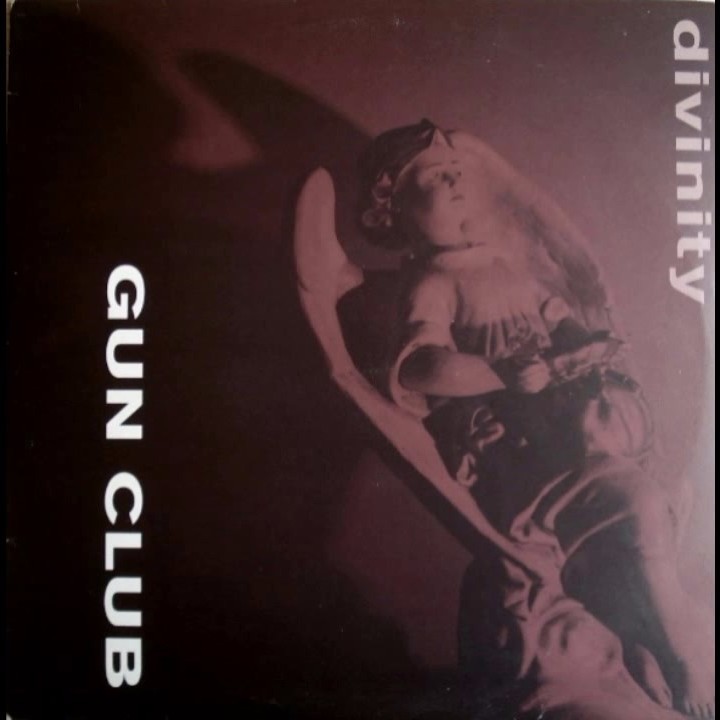
 View Artist