Song Meaning
The lyrics paint a picture of a relationship steeped in decay and a desperate, perhaps delusional, clinging to a past promise. The narrator feels buried, their senses fading, asking "Why do you keep me way underground?" This isn't just physical confinement; it suggests a spiritual or emotional suppression. The imagery of being "paint[ed] and cover[ed] with jewels" while simultaneously being kept "underground" creates a stark contrast, hinting at a superficial adornment masking a deeper rot or neglect. The questions "Where are we going? What are we going to do?" reveal a profound disorientation and lack of agency.
The central tension lies in the broken promise of being taken "home" versus the reality of a cyclical, destructive dynamic. The repeated phrase "I keep falling to the sister / Brother falls unto the sister" suggests an inescapable, perhaps incestuous or codependent, entanglement. This push-and-pull, this constant regression, is described as "getting pushed further and further / Away," implying a movement away from any semblance of stability or salvation. The "sins of me" are personified as buzzing, hissing entities with "little skeletons," which, despite their menacing description, are dismissed as harmless, yet they are persistently "brought back" to the narrator, adding to their burden.
The most striking craft element is the blurring of familial and romantic roles, particularly in the lines "I am your brother, your lover / I give you my blood." This intense, almost sacred declaration of devotion is juxtaposed with the recurring theme of being "pushed further and further / Away." The narrator's willingness to "follow you anywhere" clashes with the external force (or perhaps the other person's actions) that drives them apart. The intrusion of an unnamed "that there" figure "always beside you" when the narrator counts "us together" adds a layer of betrayal and isolation, reinforcing the feeling of being secondary or replaced.
What makes these lyrics so potent is their raw portrayal of a relationship trapped in a destructive loop, fueled by a desperate hope that seems increasingly futile. The narrator’s internal conflict—their desire for connection and home versus the reality of their degradation and separation—is palpable. The vivid, unsettling imagery, from the dying sight to the buzzing sins and skeletal figures, creates a visceral sense of unease and entrapment, making the narrator's plight feel both deeply personal and hauntingly resonant.
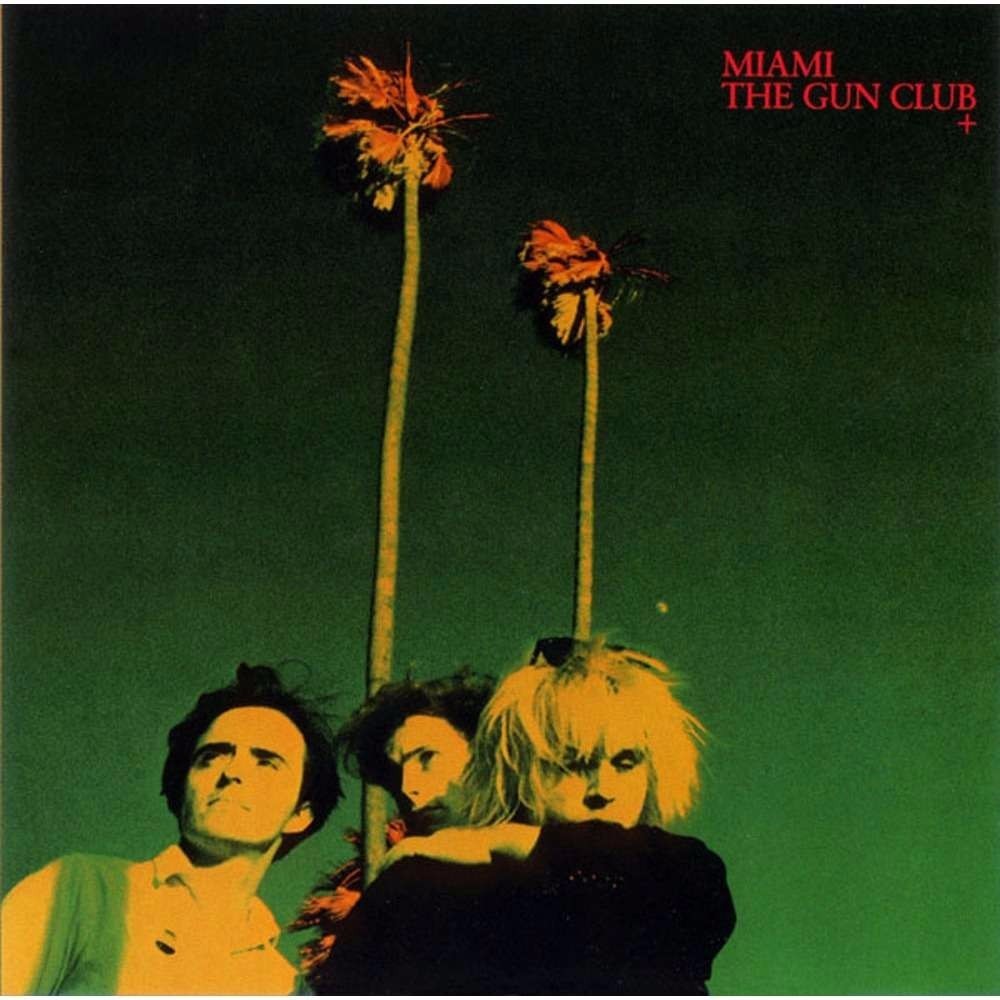
 View Artist