Song Meaning
This track paints a vivid picture of a parasitic relationship, dripping with a slacker apathy that’s almost aggressively unappealing. The narrator is a literal and figurative couch potato, utterly inert and unapologetic about their parasitic existence. They're stuck, not just physically in someone else's house, but mentally, trapped in a loop of "everyday is like the day before." The dominant tone is one of defiant indolence, a refusal to engage with anything beyond immediate, base comforts.
The central tension lies in the narrator's complete lack of reciprocity or remorse. They openly admit to "drink[ing] your beer and us[ing] you more," while simultaneously dismissing any attempts at interaction as boring. The imagery of being a "stuffed potato" and having "armpit cheese" underscores a profound self-neglect, yet this decay doesn't spur any desire for change. Instead, it seems to reinforce their inertia, making the idea of leaving even less appealing.
The most striking aspect is the narrator's bizarre, almost childlike detachment, even as they describe their own unpleasantness. The mention of "Mickey Mouse friends" who are "corndog weenies" is a surreal touch, perhaps hinting at a stunted emotional development or a refusal to engage with adult realities. This infantilized worldview allows them to justify their behavior, framing their dependence as a simple, unchangeable state of being, like a "couch potato" that "can't get rid of."
Ultimately, the lyrics hit hard because of their unflinching portrayal of stagnation and exploitation. There's no attempt at charm or justification, just a blunt declaration of intent: "I'm not leaving your house." This raw honesty about a deeply unpleasant situation creates a compelling, if uncomfortable, portrait of someone utterly consumed by their own inertia and the comfort they extract from another.
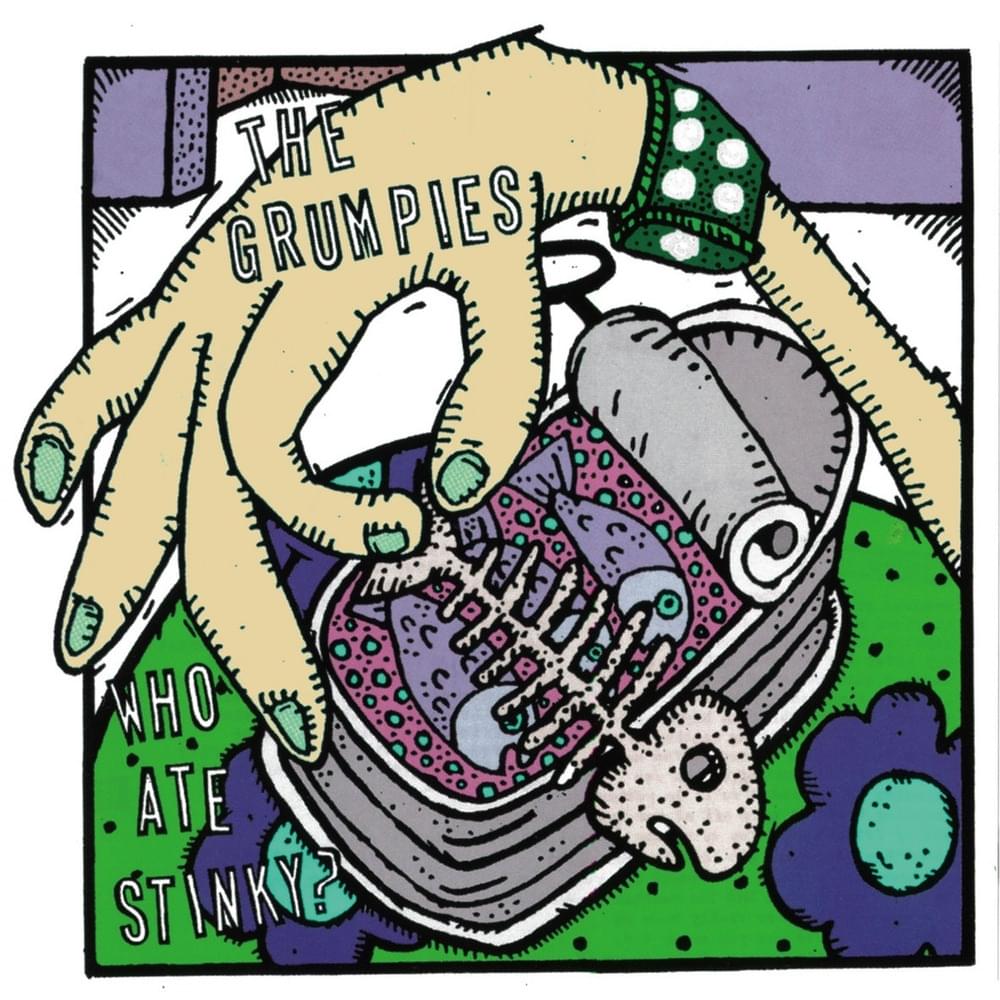
 View Artist