Song Meaning
The narrator jolts awake in the dead of night, a frantic energy propelling them up multiple flights of stairs. They burst into a room, desperate for light, but find the contrast jarring: "The dark's too dark but the light's too bright." This immediate sensory overload sets the stage for a profound disorientation.
This disorientation stems from a struggle to grasp reality, which the lyrics liken to "finding the moon if I was blind." Despite its presence, reality feels "stark, so undefined," a paradox that fuels an urgent plea: "I must get help before I lose my mind." The terror isn't external; it's an internal battle against a fracturing perception.
The narrator attempts to anchor themselves with "things mundane," a conscious effort to push back against the overwhelming "terror from out of my brain." Yet, even these attempts are futile as "Everything's so mad, I can't explain." The inability to find solace in the ordinary underscores the depth of their distress and the escalating fear of succumbing to madness.
This lyrical passage effectively captures the visceral experience of a panic attack or a dissociative episode. The sharp, almost violent imagery of the sudden awakening and frantic movement, contrasted with the inability to find comfort in either darkness or light, creates a potent sense of unease. The repeated, desperate refrain, "I must get help before I go insane," grounds the abstract terror in a raw, human fear of losing control.
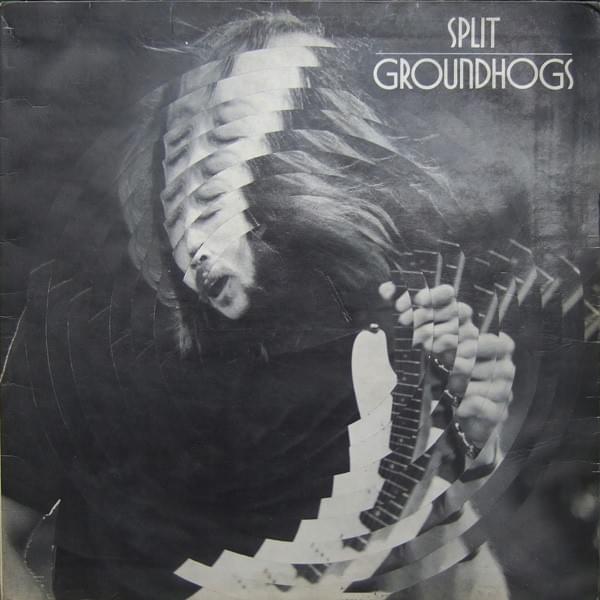
 View Artist