Song Meaning
The lyrics paint a picture of a love that's both cherished and fleeting, a constant negotiation with impermanence. The narrator expresses a deep affection, "I love him," but immediately qualifies it with the conditional "As often as I may," suggesting a love that's perhaps limited by circumstance or the beloved's own nature. There's a sense of urgency, a need to "give him before it goes away," hinting at a fear of loss or a recognition of the ephemeral quality of their shared moments. The imagery of "grass and wine" evokes a pastoral, perhaps idyllic, setting where this love blossoms, making him "laugh and gentle."
The central tension lies in the beloved's inherent restlessness and the narrator's attempt to hold onto him. He "speaks of leaving," yet "stays," a paradox that leaves the narrator uncertain. His eyes are "acid clear," a striking image that suggests a sharp, perhaps even painful, clarity, yet he doesn't fully grasp why he remains. The narrator acknowledges that the object of her love "is never quite the same" each time, implying a shifting identity or a love that's constantly being redefined, making the act of loving him a continuous, perhaps exhausting, effort.
The most compelling aspect is the narrator's strategy for maintaining this precarious connection. She "ask[s] to borrow him," a phrase that underscores his lack of permanent possession and her role as a temporary custodian of his affection. She actively works to prevent boredom, "Stop anything that makes the loving bore," suggesting a deliberate effort to curate their interactions and keep him engaged. Yet, this proactive approach is met with a poignant inevitability: "when he uses every soft word that I say / He'll go away." This implies that even her most tender efforts, when met with his superficial compliance, are the very signals that precede his departure, a heartbreaking twist of cause and effect.
This dynamic is so effective because it captures the quiet desperation of loving someone who is always on the verge of leaving. The narrator's love is not passive; it's an active, almost frantic, attempt to preserve something inherently unstable. The contrast between her deep affection and his apparent detachment, coupled with the cyclical nature of their interactions—love, his potential departure, her efforts to keep him, his eventual leaving—creates a profound sense of bittersweet longing. The lyrics don't offer grand declarations but rather a series of observations that build a portrait of a love constantly battling its own dissolution.
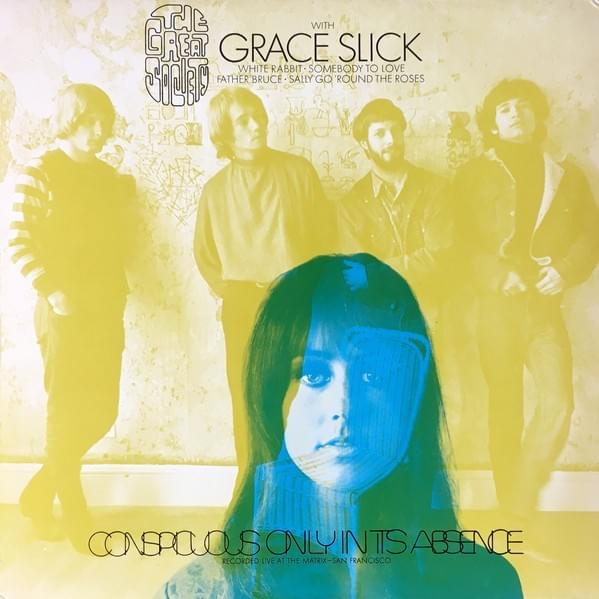
 View Artist