Song Meaning
The lyrics paint a stark picture of an overwhelming, all-consuming emptiness. The repeated phrase "This abyss" functions as a relentless hammer blow, establishing a tone of inescapable despair. It’s not just a void, but a "lightless void," a "world destroyed," and a state of "being denied." The sheer scale is emphasized with "all deep, all wide," suggesting a totality of loss that leaves no room for hope.
The central tension arises from the contrast between this absolute darkness and the natural world's inherent resilience. The narrator points out that even the "darkest forest" has "fireflies" and the "deepest ocean" has "moonlight." These small glimmers of light and life serve to highlight the unique and profound absence within the "abyss." This abyss, however, is different; it's a "black increase," "without surcease," and "night unbound," indicating a darkness that grows and never ceases, a void that actively rejects even the faintest possibility of light or sound.
The most striking craft element is the persistent negation. The lyrics repeatedly establish a norm – fireflies, moonlight, movement in shadows – only to immediately declare its absence in the abyss. This creates a powerful sense of what is *not* there, amplifying the feeling of utter desolation. The final lines, "This abyss, this death, this 'no'," distill the experience into its most fundamental components: an end, a finality, and a complete rejection.
What makes these lyrics hit so hard is their unflinching focus on absolute negation. By contrasting the abyss with even the most unlikely sources of light and life, the writing emphasizes its unique and terrifying completeness. The relentless repetition of "This abyss" hammers home the inescapable nature of this state, leaving the listener with a profound sense of dread and finality.
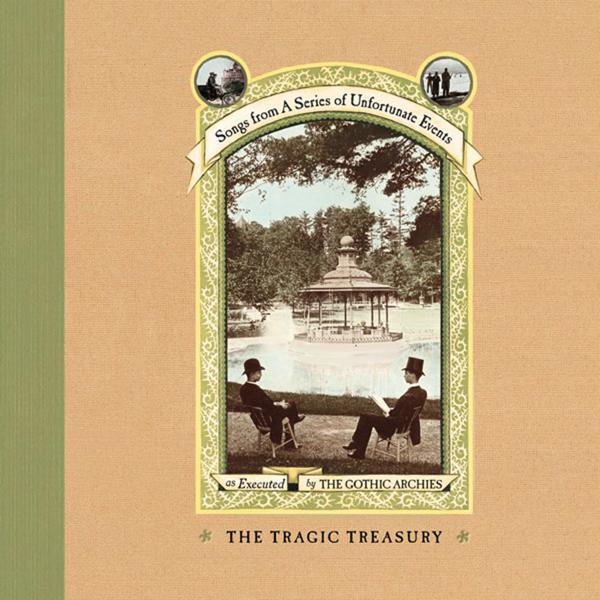
 View Artist