Song Meaning
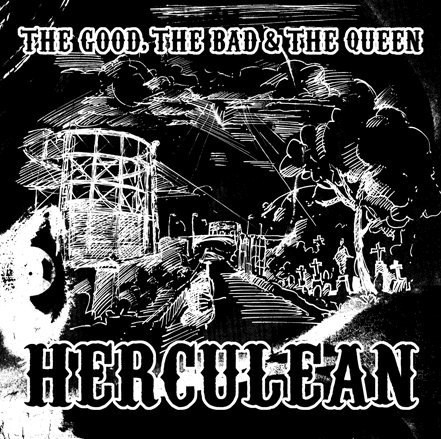
The lyrics paint a picture of a bleak urban landscape, "standing on the dark canal by the gas works," where even celebrations feel tinged with loss, "celebrate the ghosts gone by / When all love hurts." This sets a somber, almost resigned tone from the outset. The scene feels industrial and perhaps decaying, a stark contrast to any notion of comfort or renewal.
The central tension emerges in the chorus, juxtaposing the constant presence of a "medicine man" available "twenty four seven" with a sense of impending doom or chaos, "get it fast in Armageddon." Yet, despite this, there's a peculiar, almost passive movement towards an end, "everyone on their way to Heaven / Slowly." This suggests a societal inertia, a slow march through difficult circumstances without clear direction or immediate relief.
The second verse introduces a routine, almost mundane existence: the "call for prayer" punctuates the morning, followed by the daily grind of work with "no warning." This routine is then directly contrasted with the false promise of improvement, "it all gets better when life is straight." The lyrics suggest a larger, impersonal force at play, "it's bigger than you, the welfare state," implying individual struggles are dwarfed by systemic issues.
What makes these lyrics resonate is their unflinching portrayal of a world where hope is a slow, almost reluctant process. The repeated phrase "it's not too late / For you" feels less like a confident assertion and more like a desperate, almost hollow refrain sung against the backdrop of a difficult reality. The writing captures a feeling of being caught in a system, moving slowly through life's hardships with a faint, persistent, yet perhaps unconvincing, whisper of possibility.
 View Artist