Song Meaning
This spiritual, sung from a place of deep personal suffering, immediately establishes a profound sense of isolation. The narrator states plainly, "Nobody knows the trouble I've seen," a declaration that sets a somber, almost weary tone. The only solace or witness acknowledged is divine: "Nobody knows but Jesus." This singular focus on a higher power as the sole confidante highlights the immense burden the narrator carries, suggesting an experience too profound or painful for human understanding.
The central tension lies in the stark contrast between the narrator's internal struggles and the external world, or even the shared human experience. While the world might see moments of peace or normalcy, the narrator's reality is one of constant, unseen hardship. The repeated phrase "Sometimes I'm up, sometimes I'm down" captures a fluctuating state, but the immediate follow-up, "Oh yes, Lord," and then "almost to the ground," emphasizes that even the 'up' moments are precarious, and the 'down' moments are severe, bordering on complete collapse.
The true power of these lyrics resides in their stark, unadorned honesty and the subtle, yet potent, repetition. The simple declaration of "Nobody knows" is amplified by its immediate pairing with "but Jesus," creating a powerful image of solitary endurance. The cyclical nature of "Sometimes I'm up, sometimes I'm down" isn't just about mood swings; it's about a persistent, almost inescapable cycle of hardship that the narrator endures, finding strength only in faith.
What makes this so resonant is its raw portrayal of suffering and the quiet strength found in faith. The lyrics don't offer complex metaphors or intricate narratives; instead, they present a direct, gut-level confession of pain. The acknowledgement that only Jesus truly understands transforms a lament into a testament of enduring faith, suggesting that even in the darkest, most isolating moments, a connection to something greater provides the strength to carry on.
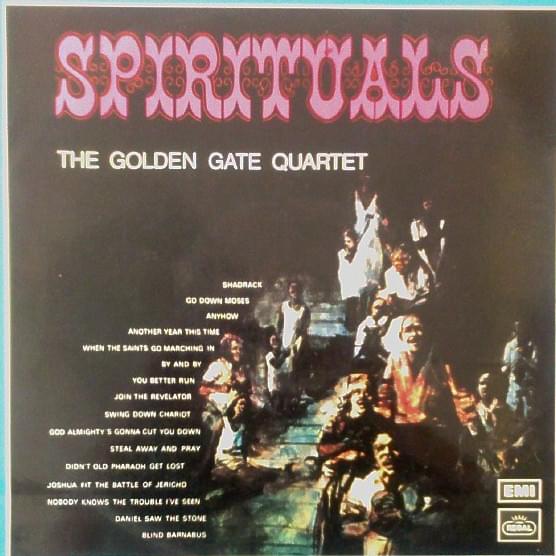
 View Artist