Song Meaning
The lyrics paint a picture of a tense, almost frozen moment, a "stand off" that feels like a final "send-off." The narrator observes someone sitting on the stairs, lost in thought, their appearance noted with a strange mix of intimacy and detachment. The observation about a "necklace" and the stars shining on their face creates an image that is both beautiful and perhaps a little unsettling, hinting at a facade or a moment of artificial brilliance.
The core tension lies in the narrator's refusal to passively accept the situation. The repeated refrain, "I won't stand, I won't wait," acts as a defiant counterpoint to the stillness of the scene. This insistence suggests a deep dissatisfaction and a refusal to be held back or to endure a painful stasis, especially after a past experience where "skin turned and held sweat, lost all its feeling." The narrator seems to be grappling with a sense of betrayal or disappointment, symbolized by the desire to "pull back the curtains, let in the dark."
The most striking craft element is the juxtaposition of romantic imagery with a sense of decay and obligation. The narrator "fell in your eyes" and notes how their "hair sparks," yet this is contrasted with the idea of a "bad debt" that "won't wait." This suggests that the promises made, like "stars would fall" and "ice would melt," have soured into a burden, a debt that demands attention and cannot be ignored. The repetition of "another time in another room" further emphasizes a cyclical, perhaps inescapable, pattern of disappointment.
These lyrics resonate because they capture the feeling of being trapped in a moment where past promises have curdled into present obligations. The narrator's internal struggle, expressed through the insistent refrain and the dark, evocative imagery, highlights the emotional weight of unfulfilled expectations. The final lines, linking the personal refusal to wait with the inescapable nature of a "bad debt," powerfully convey a sense of weary resignation mixed with a lingering defiance.
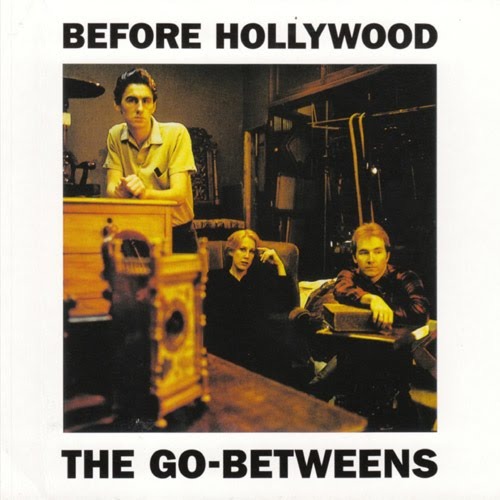
 View Artist