Song Meaning
The lyrics paint a picture of disillusionment and betrayal, set against a backdrop of grand, yet hollow, pronouncements. The opening lines immediately establish a sense of unease, with a "road map" feeling like a "bitter pill" and the very air "stink[ing] of a double deal." This suggests a situation where promises have been broken and intentions are suspect, masked by a deceptive "good front." The narrator seems to be calling out someone who is not living up to their word, urging them to "come clean" and make peace, implying a potential for reconciliation that is being squandered.
The central tension lies in the conflict between outward appearances and inner reality, particularly concerning leadership and trust. The narrator challenges the idea that "heroes don't do any good / With tears in their eyes," suggesting a need for stoicism or perhaps a critique of performative vulnerability. The refrain, however, introduces a desperate plea for reassurance: "Just look me in the eyes and say the world's not going to end." This stark contrast between the demand for strength and the underlying fear of collapse highlights the narrator's profound anxiety and their reliance on the other person's conviction.
The imagery of the "Holy Roman style" and a "poison from a holy grail" is particularly striking, evoking a sense of corrupted grandeur and deceptive salvation. The lyrics suggest that even institutions or ideals that appear powerful and sacred can be sources of harm. The idea of "blind faith" not making a sale, coupled with "landmines on a righteous trail," underscores the perilous nature of following blindly, especially when the path is fraught with hidden dangers. This critique of established power structures and unthinking loyalty is sharp and pointed.
Ultimately, the effectiveness of these lyrics stems from their ability to capture a specific kind of existential dread within a context of broken promises and perceived deception. The repeated demand for the world not to end, juxtaposed with the imagery of betrayal and false fronts, creates a powerful emotional resonance. The final, simple question, "Will you save us?" distills the narrator's vulnerability and their desperate hope that the person they are addressing can somehow avert disaster, despite all evidence to the contrary.
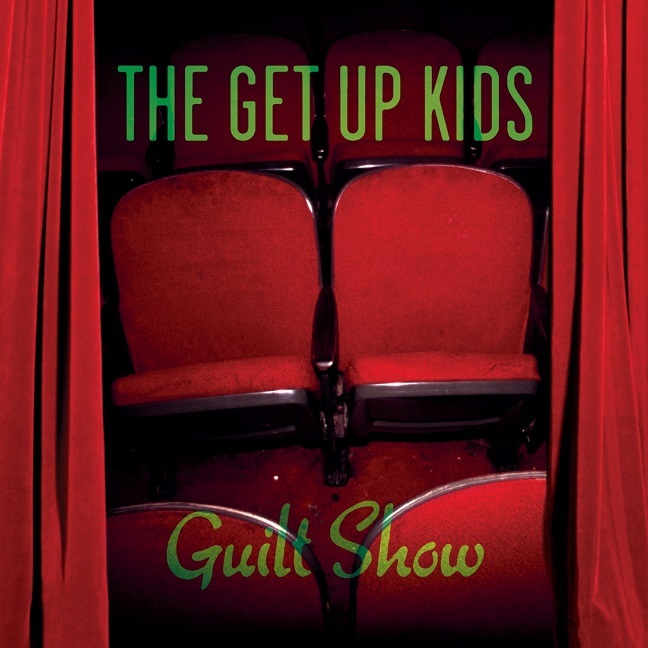
 View Artist