Song Meaning
The most striking feature of "The Bitter End / You Can’t Do That (Instrumental)" is its complete lack of vocalization. This isn't just a track without words; it's a deliberate statement of pure sound. The absence of a sung narrative immediately shifts the listener's focus. It forces an engagement with the music on an entirely different plane.
Without a vocal line to guide interpretation, the listener is left to construct their own emotional landscape. There's a unique tension here: the expectation of a story, a message, or a character's voice, which is never fulfilled. This creates a space for personal projection, where the instrumental arrangement itself must carry all narrative weight. The lack of explicit lyrical content invites a more introspective and subjective experience.
The craft here lies in what's *not* present, a powerful artistic choice that strips away the most direct form of communication. The decision to make this piece purely instrumental elevates the interplay of melody, rhythm, and harmony, making them the sole conveyors of meaning. This shift in focus is a subtle yet profound twist, demanding active listening rather than passive reception of a lyrical message. It suggests a confidence in the music's ability to speak for itself, unburdened by words.
This approach is effective precisely because it subverts expectations, forcing a deeper, more visceral connection to the music's texture and movement. By offering no words, the piece invites the listener to find meaning in the sonic landscape alone, making the experience intensely personal and open to a myriad of interpretations. The absence of lyrics, in this context, becomes the most potent lyrical statement, speaking volumes through its deliberate silence. It's a testament to the power of pure musical expression.
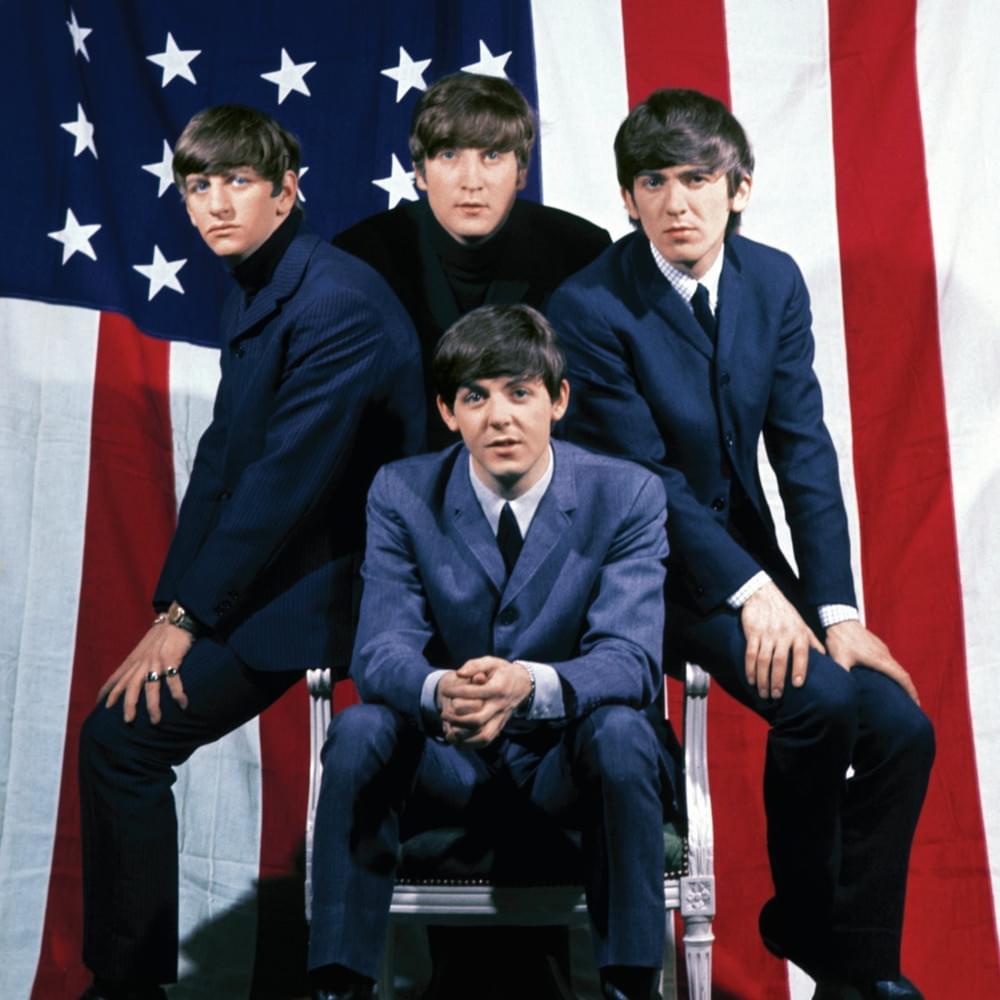
 View Artist