Song Meaning
The lyrics paint a stark picture of urban poverty, contrasting the mundane realities of "crowded streets and shopping malls" with the desperate measures of survival, like "sleeping bag and chairs made out of walls." This isn't just about lack of resources; it's about a systemic "trickle down" that leaves many behind, creating a palpable sense of "poverty" that defines existence. The imagery of a "burned out building, a castle" highlights the brokenness and the warped sense of security found in such environments.
The central tension lies in the stark division and inequality presented. The narrator observes a world where "the sun is coming out, but only on one side of this one sided town." This highlights a profound injustice, where prosperity and hope are not shared, but are instead exclusive privileges for "only for a few." The "bells are ringing" and a "voice is getting louder," yet this noise seems to actively "deafen the truth," suggesting a societal disconnect or willful ignorance about the suffering occurring.
The craft here is in the sharp, almost brutal juxtaposition of images and the relentless focus on division. The idea of a "castle" being a "burned out building" is a powerful, unsettling metaphor for how safety and aspiration are distorted by extreme hardship. The repetition of the chorus reinforces the inescapable nature of this divided reality, emphasizing that the suffering and the exclusion are constant. The lyrics suggest a deep frustration with those who offer platitudes or ignore the plight of the marginalized, as "sickening they try to speak, no words of wisdom for the worthless and the weak."
Ultimately, these lyrics resonate because they refuse to soften the edges of a harsh reality. They force the listener to confront the visible signs of inequality and the emotional toll it takes, particularly the crushing paradox of "how can you dream" when "there is no sleep." The writing’s effectiveness comes from its unflinching gaze and its ability to convey a profound sense of alienation and systemic neglect through concrete, evocative imagery.
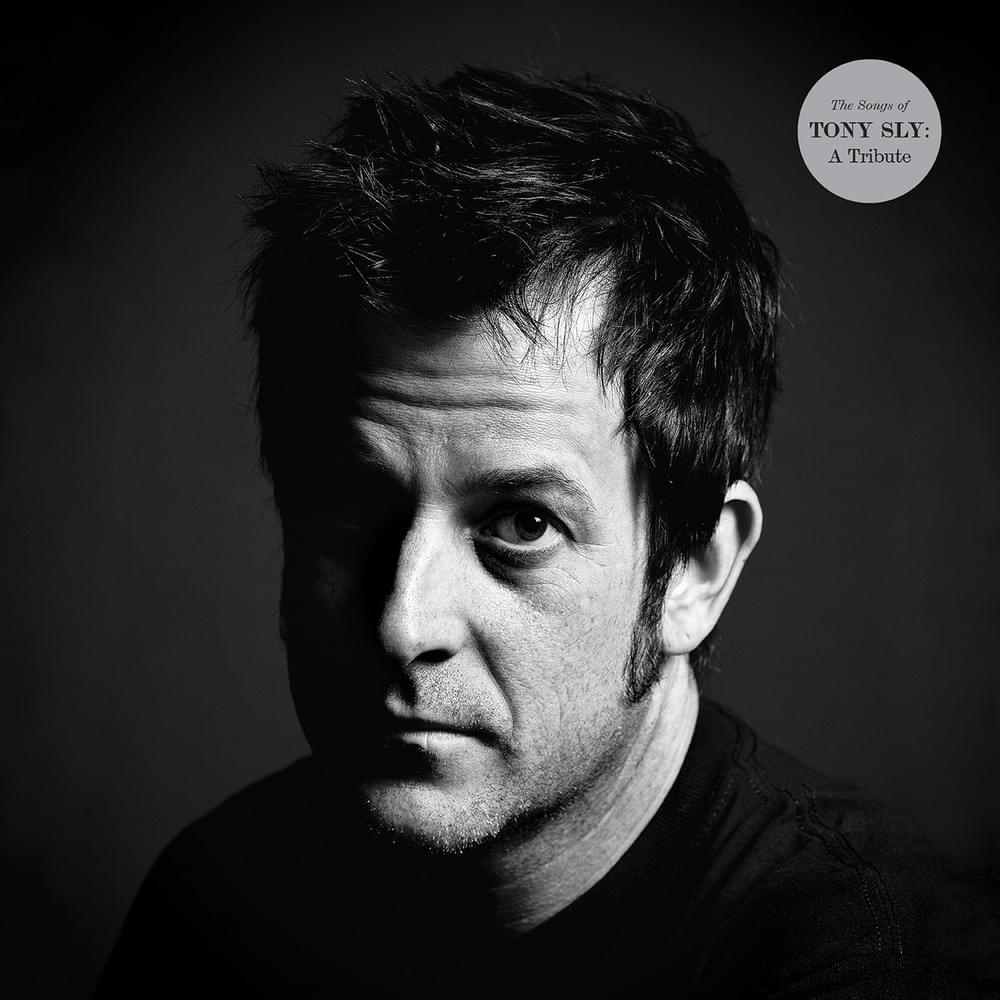
 View Artist