Song Meaning
The lyrics paint a stark picture of external pressures forcing a manufactured identity onto someone. The opening lines, "Into a featureless face / They carve a smile," immediately establish a sense of violation, as if an artificial expression is being imposed. This act is described as a "time wasting style," suggesting a superficial and ultimately pointless endeavor by those doing the carving. The repeated urgency, "Hurry up, we're losing faith," implies a collective anxiety tied to this forced conformity, a fear that without this imposed smile, something essential will be lost.
The central tension revolves around the struggle to maintain authenticity against these external demands. The narrator is urged, "You have to use your face / Don't let them use your face," highlighting a crucial distinction between genuine self-expression and a performative facade. This conflict is mirrored in the description of "She," who "is a great believer in fate" but becomes distressed when others don't share her conviction. Her own struggle is framed as needing to "use her face" and not letting "her lose her face," suggesting a battle to uphold her own identity and beliefs in the face of doubt or pressure.
The most striking aspect of the writing is the relentless repetition of "Face" and the phrase "losing faith." This creates an almost hypnotic, anxious atmosphere, emphasizing the core themes. The act of "carving a smile" is a powerful, unsettling image that underscores the idea of artificiality being imposed. The contrast between "fate" and "faith" also adds a layer of complexity, hinting at a spiritual or existential dimension to the pressure to conform and the fear of losing one's true self.
Ultimately, these lyrics resonate because they tap into a universal anxiety about authenticity in a world that often demands we present a certain image. The direct, almost blunt language, coupled with the insistent rhythm of the repeated phrases, creates a feeling of being cornered. The fear isn't just about losing one's face, but about a deeper loss of faith—in oneself, in others, or in a guiding principle—when forced to abandon genuine expression for a hollow performance.
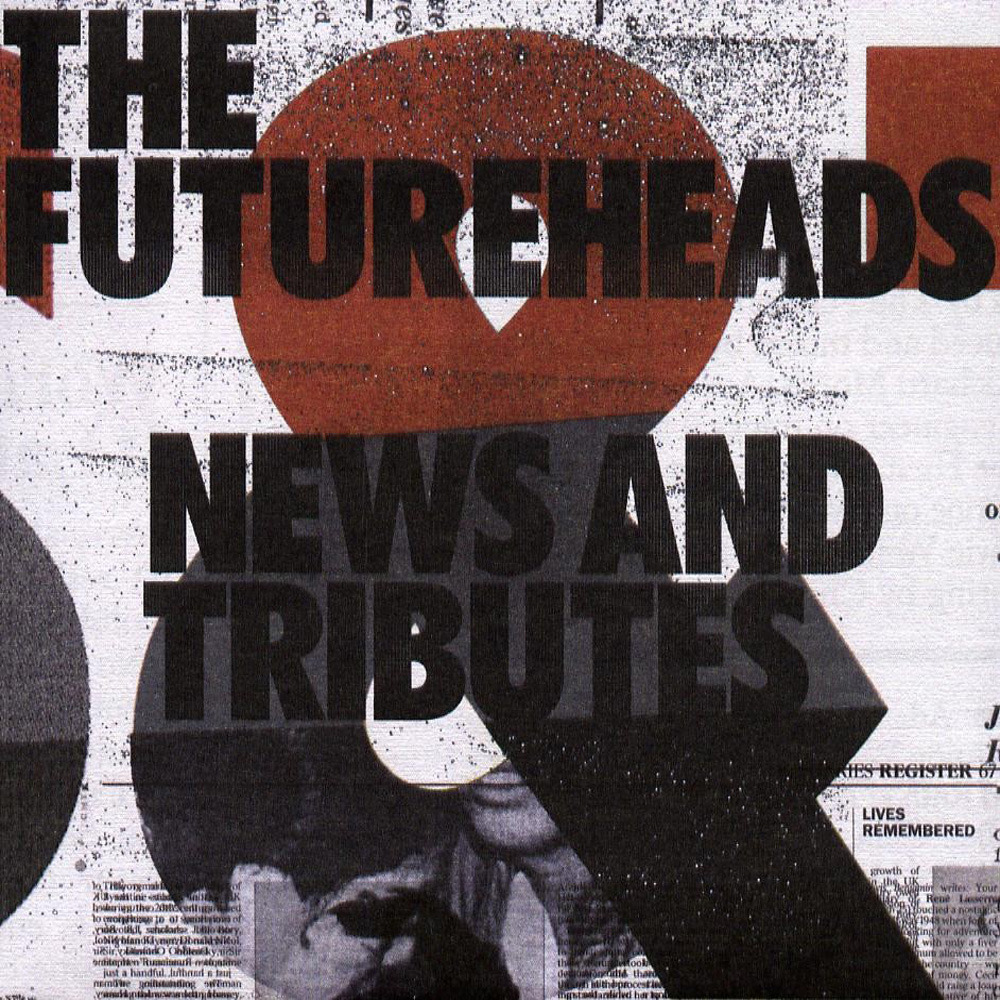
 View Artist