Song Meaning
The lyrics paint a picture of initial freedom and joyous exploration, a narrator reveling in the natural world. This idyllic state is abruptly interrupted by the appearance of a captivating figure, the "prince of love," who promises beauty and pleasure. The imagery shifts from natural "summer's pride" to curated "gardens fair," suggesting a transition from organic experience to a more controlled, albeit alluring, environment.
The central tension arises from the narrator's transformation from a freely roaming spirit to a captive. The "prince of love" initially bestows gifts like "lilies for my hair" and "blushing roses for my brow," but these become instruments of entrapment. The "silken net" and "golden cage" starkly contrast with the earlier "field to field" roaming, highlighting a loss of autonomy disguised as affection and luxury.
The most striking craft element is the subtle yet devastating shift in the narrator's agency. The "wings" that were once "wet" with "sweet May dews" are later "stretched out" by the captor, emphasizing how the narrator's very essence is now manipulated. The "golden cage" is not just a physical confinement but a gilded prison where the captor "loves to sit and hear me sing," reducing the narrator's joy to a performance for another's amusement and explicitly mocking the lost "liberty."
This piece is effective because it captures the insidious nature of control within relationships that begin with apparent adoration. The progression from "roam'd from field to field" to being "shut me in his golden cage" and having their "golden wing" mocked is a powerful, albeit brief, narrative arc. It speaks to how perceived gifts and affection can become the very tools of subjugation, leaving the narrator aware of their diminished state even while adorned in gold.
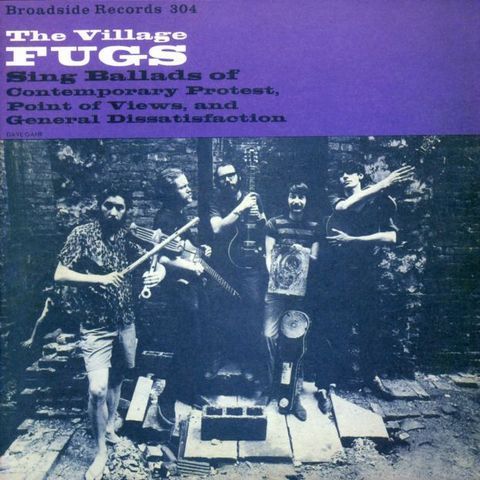
 View Artist