Song Meaning
The lyrics paint a stark picture of memory's decay and the erosion of self. The opening lines establish a profound sense of impermanence, where memories are "old ghosts without graves" and nothing is built to last. This sets a somber, almost nihilistic tone, suggesting that even significant moments eventually fade into nothingness, much like a "setting sun exterminates the day." The narrator grapples with a past that feels increasingly distant and unreliable, a landscape of "frozen statues built to melt away."
The core tension arises from a fractured recollection of a painful departure. The narrator questions whether they witnessed a loved one leaving or simply whispered goodbyes, highlighting a profound disconnect from their own experiences. This uncertainty is amplified by the physical and mental deterioration described: "My vision blurs / My thoughts have narrowed / As my body begins to eat my mind." This internal breakdown suggests a struggle to hold onto reality, where the mind itself becomes an unreliable narrator.
The most striking element is the narrator's detachment from blame and the subsequent shift to shame. The phrase "It's too late to apologize / I don't remember who's to blame" points to a loss of accountability, but this confusion quickly curdles into a deeper emotional state. The chilling observation, "I see somebody's been bleeding / There's blood still on the floor," is a powerful, visceral image that underscores the lingering damage of past events, even as the narrator struggles to recall the specifics of the conflict. The repetition of the chorus emphasizes the cyclical nature of this mental fog and the inescapable feeling of loss.
Ultimately, the effectiveness of these lyrics lies in their unflinching portrayal of cognitive and emotional disintegration. The blurring of memory, the physical decay, and the inability to assign blame or even fully recall a significant event create a deeply unsettling portrait of internal collapse. The blood on the floor serves as a stark, tangible reminder of a pain that the narrator's mind is actively trying to erase, making the struggle to understand and remember all the more poignant and tragic.
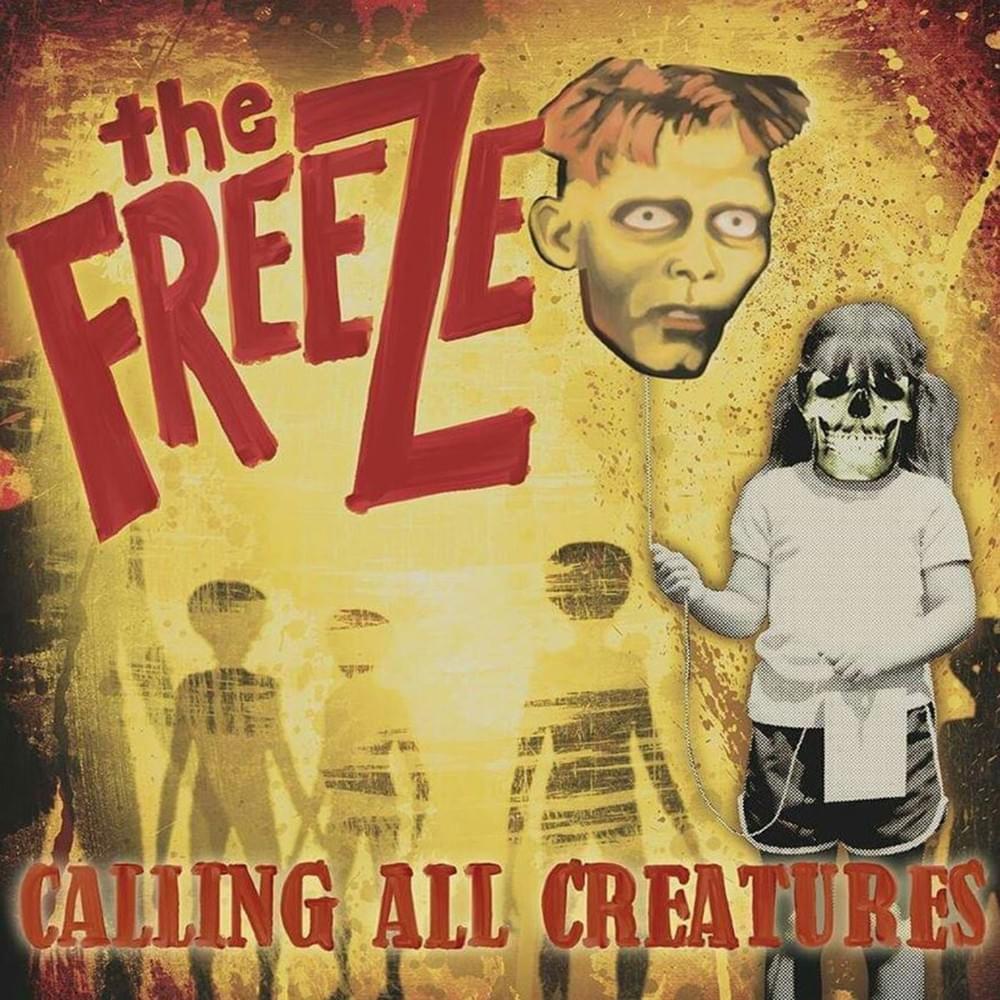
 View Artist