Song Meaning
The lyrics paint a picture of an obsessive, almost hallucinatory relationship with a memory. The narrator finds a perverse comfort in this phantom presence, describing it as "sickly sweet" and a nightly "retreat." This imagined companion offers solace, existing most vividly when the narrator's eyes are closed, a private ecstasy that seems to intensify as the memory itself is recalled. It's a world built on absence, where the vividness of the vision directly correlates with the narrator's own growing fixation.
The central tension lies in the narrator's awareness of the destructive nature of this fixation, even as they indulge in it. The repeated refrain, "when you come down you've just dug your hole deeper," suggests a cyclical pattern of delusion and self-inflicted pain. The narrator acknowledges that this state of "guilty and trembling" is unsustainable, a self-inflicted wound that offers no true escape. It's a trap of their own making, where the comfort found in the memory is directly proportional to the depth of the hole they're digging.
The most striking aspect of the craft is the blurring of reality and imagination, particularly in the third stanza. The "flowers by my bedside" and the incredibly "vivid" and "smooth" vision of the absent person create a palpable sense of presence. The narrator even admits, "If I didn't know better I'd swear you were here." This intense, almost tactile hallucination highlights the power of the narrator's mind to conjure a reality that feels more tangible than the actual world, a testament to the depth of their longing or grief.
Ultimately, the effectiveness of these lyrics stems from their unflinching portrayal of a mind caught in a loop of painful remembrance. The contrast between the "ecstasy" of the vision and the "deeper" hole being dug creates a potent emotional dissonance. The narrator's self-awareness, coupled with their inability to break free, makes for a compelling, albeit unsettling, portrait of obsession and the desperate ways we cling to what's lost.
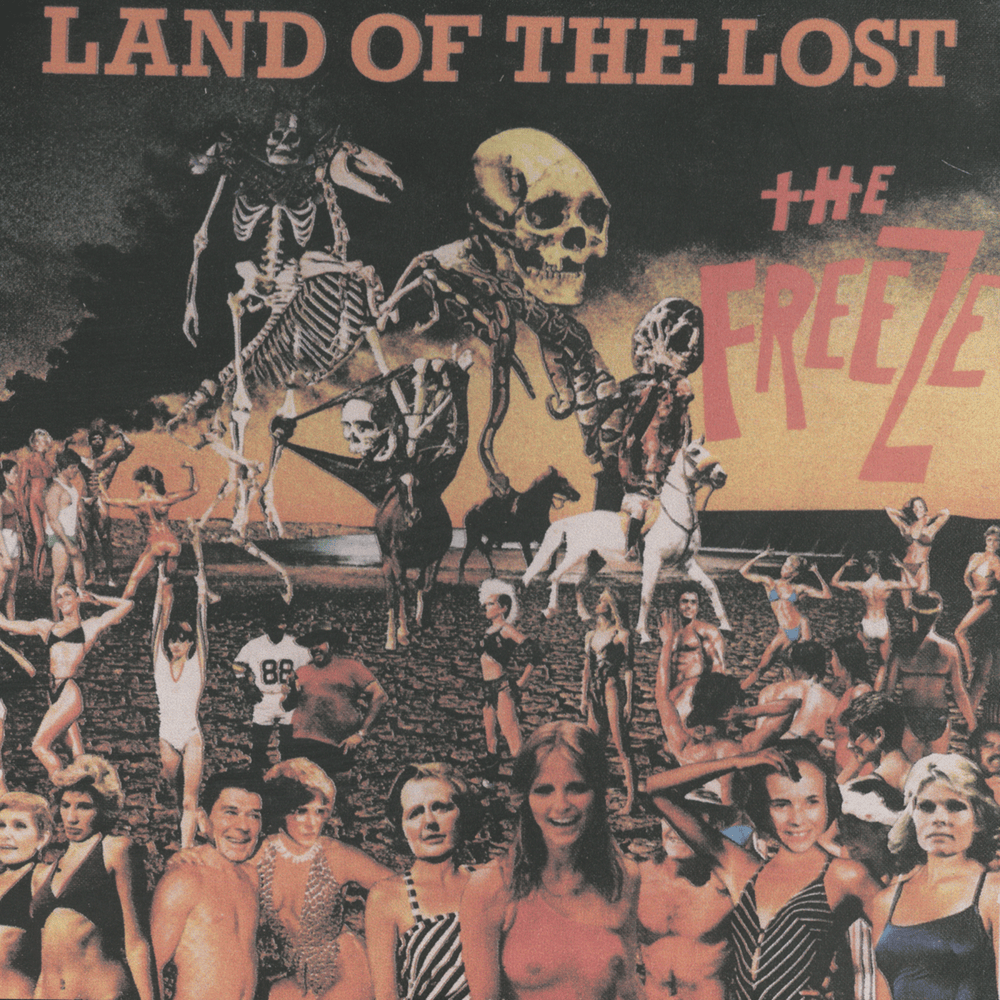
 View Artist