Song Meaning
The lyrics paint a picture of someone finding solace and anticipation in the daily arrival of the sunrise. It’s presented as a tangible symbol of renewal, a fresh start that promises to wash away the weariness of the night. The repetition of "I like the sunrise" grounds the listener in this simple, yet profound, appreciation for the dawn's arrival. This isn't just about pretty colors; it's about the inherent promise of a "new day" and the "new hope" it's said to bring.
The central tension lies in the contrast between the hopeful dawn and the narrator's own admitted weariness. "Nighttime is weary / Oh, oh and so am I" directly links the external cycle of day and night to the narrator's internal state. The desire for a "brand-new bright tomorrow" to arrive quickly, expressed through wishing on a star, highlights a deep longing to escape a present state of fatigue or perhaps melancholy.
The imagery of the "heavy blue curtain of night" being "raised up high" is particularly striking. It personifies the night as a theatrical element, a stage setting that is deliberately removed to reveal the new day. This metaphor elevates the sunrise from a mere astronomical event to a grand unveiling, a dramatic reveal that offers a fresh perspective and a chance for things to change. The narrator's final plea, "I hope it likes poor me," adds a layer of vulnerability, suggesting a hope that this new beginning might also offer some form of acceptance or favor.
Ultimately, the effectiveness of these lyrics stems from their directness and the relatable human need for renewal. By tying the grand, cosmic event of a sunrise to personal feelings of weariness and hope, the song taps into a universal desire for a fresh start. The simple, almost childlike repetition and clear imagery make the emotional core accessible, resonating with anyone who has ever looked forward to the end of a difficult period.
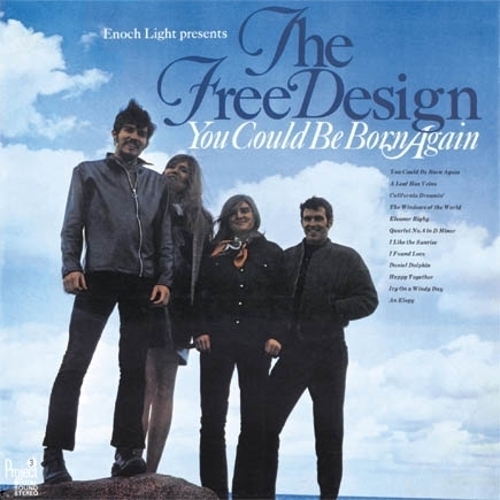
 View Artist