Song Meaning
The lyrics paint a stark picture of a community or group grappling with a profound sense of betrayal and loss, questioning who orchestrated their downfall. The repeated interrogative, "Who set this doubt in motion?" and similar phrases, establishes a pervasive atmosphere of confusion and accusation. The narrator is not seeking answers in a literal sense, but rather expressing a deep-seated frustration and a feeling of being deliberately misled. The initial verses lay out a series of destructive actions and divisive pronouncements, suggesting a systematic dismantling of trust and shared identity within the community.
The central tension arises from the collective denial of responsibility, articulated through the recurring refrain, "Not me said the one in waiting... No not I." This chorus features a diverse cast of characters – the waiting, the rising tide, the martyr, the soldier, the bluer blood, the givers of beauty, the homecoming, the dying light, the fading empire – all disavowing any role in the unfolding crisis. This creates a dramatic irony, as their simultaneous claims of innocence highlight a shared, yet unacknowledged, complicity or a profound failure to act. The lyrics suggest that while no single entity readily admits fault, the collective inaction or passive acceptance has led to the present state of ruin.
The most striking craft element is the powerful juxtaposition of abstract forces and specific roles in the denial chorus. By having the "rising tide" and "dying light" speak alongside human roles like "soldier" and "martyr," the lyrics elevate the sense of an overwhelming, almost elemental, force of denial. The final, emphatic declaration, "It's none but I," followed by the repeated "None but I," shifts the perspective dramatically. It suggests that the ultimate responsibility, or perhaps the unique burden of understanding, falls on a singular, isolated figure – the narrator, or perhaps a personification of the truth itself. This final assertion transforms the earlier chorus of denials into a collective evasion, leaving the singular "I" to bear the weight of what has happened.
These lyrics resonate because they capture a universal feeling of being wronged and the frustrating search for accountability when the culprits are elusive or diffuse. The strategic use of the "Who?" questions creates an immediate sense of shared grievance, while the chorus of denials builds a palpable tension. The eventual singular declaration of "None but I" offers a bleak, yet powerful, resolution, suggesting that in the face of widespread evasion, the truth or the burden of memory rests with one. The final, haunting repetition of "Always remember, you said" serves as a poignant echo of a forgotten promise or a lost directive, underscoring the depth of the betrayal.
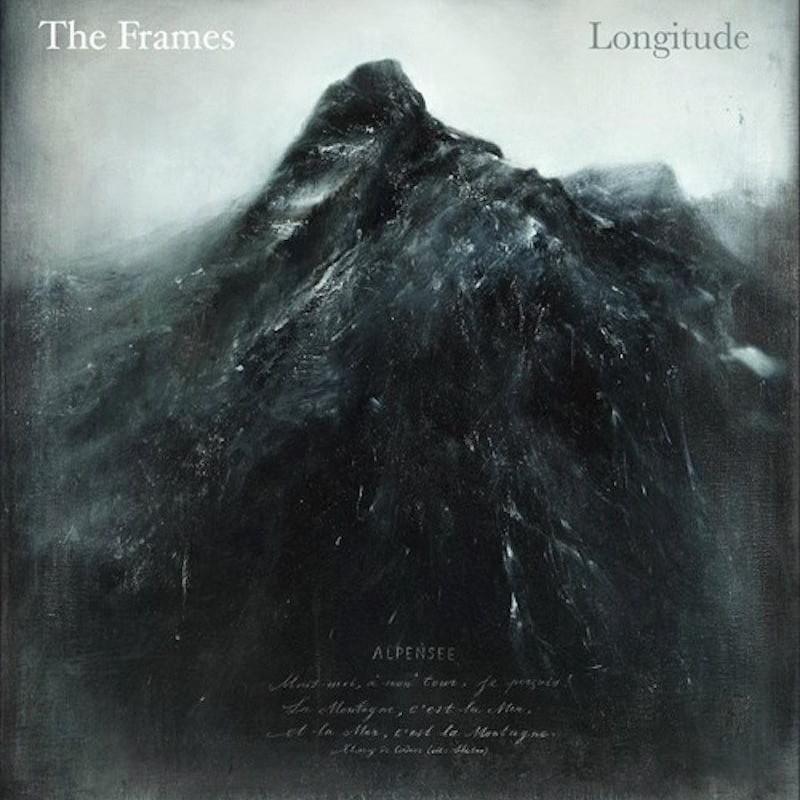
 View Artist