Song Meaning
This song captures the disorienting bliss of falling deeply in love. The narrator begins in a state of temporal confusion, admitting, "I didn't know what time it was" before meeting their beloved. This isn't just about losing track of the clock; it's about a profound shift in perception. The arrival of this person reorients their entire world, making every moment feel significant and beautiful. The lyrics paint a picture of a love so consuming it renders external markers of time irrelevant.
The central tension lies in the contrast between the narrator's previous state of unawareness and their current, enlightened existence. Before love, days and years blurred into an undefined existence where "life was no price." The act of holding hands transforms a day into "the month of May," a tangible, warm sensation. This love isn't just a feeling; it's a physical and temporal anchor, making the world feel vibrant and valuable for the first time.
The most striking craft element is the repeated, almost incantatory, structure of not knowing time markers, followed by the immediate redefinition of that time through the presence of the loved one. The progression from not knowing the "time," then the "day," and finally the "year" emphasizes the all-encompassing nature of this newfound love. It's a deliberate erasure of the past and a total immersion in the present, where "life was no price" until love made it so.
Ultimately, the effectiveness of these lyrics stems from their simple yet powerful articulation of love's transformative power. The narrator's journey from temporal oblivion to knowing "what time it is now" is a testament to how profound connection can reorder one's entire reality. The final declaration, "I'm wise and I know what time it is now," signifies not just an awareness of the clock, but a newfound wisdom and appreciation for life itself, all thanks to love.
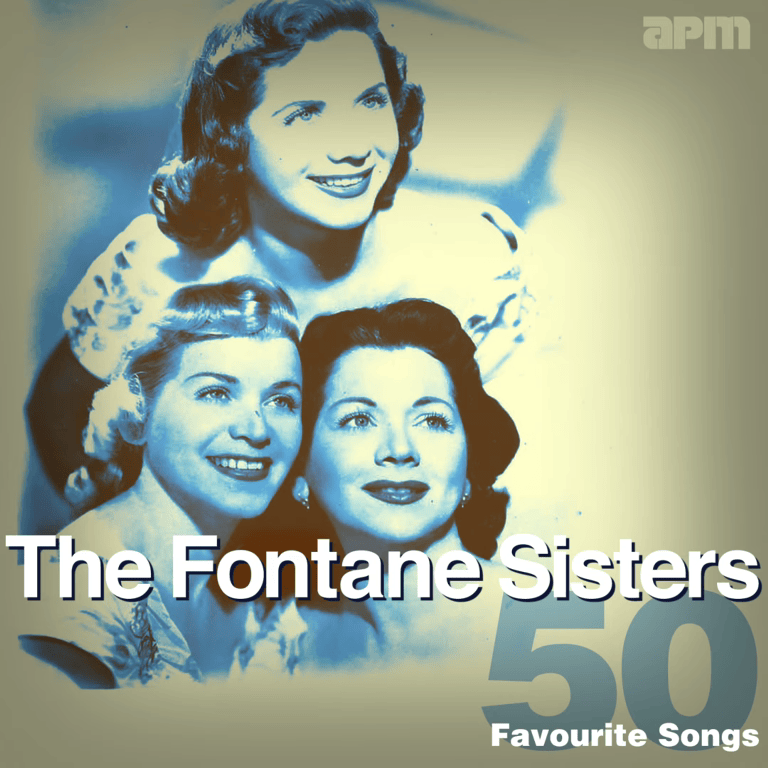
 View Artist