Song Meaning
The narrator is caught in the lingering presence of a past love, a love so profound it feels like a constant, almost physical sensation. The lyrics paint a picture of someone adrift, unable to move forward or find joy in the present because their heart is still tethered to a departed lover. This isn't just sadness; it's a state of suspended animation, where life itself feels paused until that love can be rekindled. The dominant tone is one of yearning and a deep, almost desperate, longing for reunion.
The central tension lies in the stark contrast between the enduring emotional connection and the physical separation. The narrator insists, "Though we're far apart," yet simultaneously feels the beloved is "near to me," highlighting how memory and feeling can create an intense, albeit phantom, proximity. This internal closeness clashes with the external reality of absence, creating a painful paradox that fuels the narrator's plea for return. The repeated phrase "Echo in my heart" underscores this persistent, internal resonance of the lost love.
The most striking craft element is the pervasive use of the "echo" motif, which extends beyond just the title. It's not merely a sound that fades; it's an active presence, echoing "in my heart" and even manifesting as "Echoes of a sigh" from the moment of parting. This imagery suggests that the love, and its loss, are not static memories but dynamic forces that continue to reverberate. The metaphor of the "star of love won't shine" further amplifies this sense of lost guidance and dimmed hope, directly tied to the absence of the beloved.
Ultimately, the lyrics' power comes from their raw depiction of how a significant relationship's end can render the present hollow. The narrator's plea, "Give me more to love / Than the memory of," is a direct articulation of this emotional void. The writing effectively captures the feeling of being haunted by a love that, while gone, refuses to release its grip, making the present unbearable and the future dependent on its return.
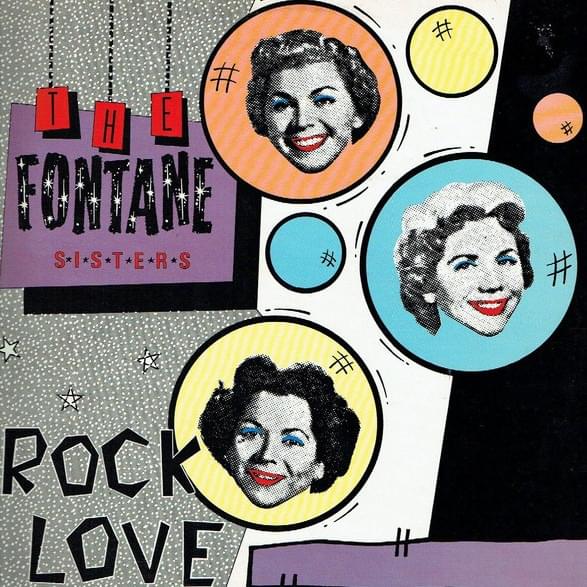
 View Artist