Song Meaning
The lyrics paint a picture of a seemingly perfect, yet subtly unsettling existence. There's an immediate contrast between being "healthy and stealthy" and the "a wide web to be caught in," suggesting a curated facade hiding a more complex reality. The phrase "paradise freeway" implies a smooth, effortless journey, but this is immediately undercut by the contradictory "flow and flounder," hinting at an underlying struggle beneath the polished surface. The narrator seems to be navigating a world that demands constant performance and a specific kind of success.
The central tension arises from a disconnect between outward appearance and inner reality, particularly concerning financial security and personal fulfillment. The narrator claims to "be poor but / stuff the mattress," a clear image of hoarding wealth despite a supposed lack of it, all wrapped in "white bread melodrama." This suggests a performance of hardship or perhaps a deep-seated anxiety about scarcity, even when material needs are met. The repeated "Be" and the call to "Bring it on" feel like a defiant embrace of this manufactured persona, a willingness to lean into the performance.
The craft here is in the juxtaposition of seemingly positive or neutral imagery with darker undertones. The "kindergarten haircut" evokes a simple, perhaps naive, state, but it's linked to "show no boredom," implying a forced cheerfulness. The most striking element is the paradox of wanting to fly but having "wings are heavy and I can't get anywhere." This powerful image captures a feeling of being trapped by one's own circumstances or perhaps by the very success they've cultivated, unable to achieve true liberation despite the desire for it.
Ultimately, these lyrics resonate because they articulate a very modern anxiety: the pressure to appear successful and happy, even when feeling stagnant or burdened. The writing skillfully uses contrasting ideas and specific, slightly off-kilter images to convey a sense of unease beneath a veneer of control. The narrator's embrace of the "wide web" and the defiant "Bring it on" suggest a complex relationship with their own constructed reality, one that is both a source of pride and a heavy weight.
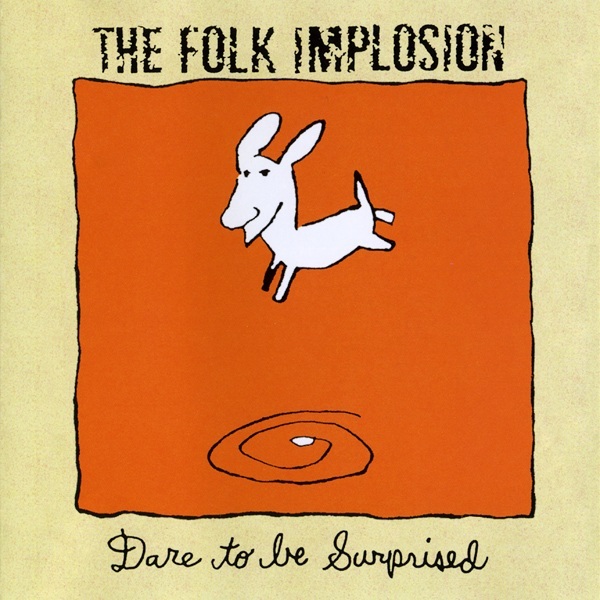
 View Artist