Song Meaning
The lyrics paint a stark picture of relentless motion and its toll. The narrator is caught in a cycle of driving, a "White Line Fever" that's more than just a physical state; it's a deep-seated "sickness born down deep within my soul." This isn't a choice so much as an inescapable condition, driving him forward even as the world blurs past.
The central tension lies in the narrator's awareness of time slipping away against the backdrop of perpetual movement. The "wrinkles in my forehead" are literal markers of his age and the "miles I've put behind me," serving as constant reminders of his mortality. Yet, he questions what compels him to continue this "old highway song," suggesting a weariness with the endless journey that offers no new discoveries, just a "100 times or more" repetition of the same scenery.
The most striking aspect is how the lyrics frame this lifestyle as an internal affliction. It's not about the destination or the experience of travel, but the act of moving itself, a fever that seems to consume his very being. The imagery of years flying by "like a high line pole" is particularly effective, capturing both speed and a sense of being tethered to this nomadic existence. The narrator appears resigned, even accepting his fate: "Guess I'll die with this fever in my soul."
Ultimately, the power of these lyrics comes from their unflinching portrayal of a life defined by motion and the existential dread that accompanies it. The repetitive structure of the chorus mirrors the monotonous, unending nature of the narrator's journey, making his weariness and resignation palpable. It’s a raw, unvarnished look at the cost of a life spent chasing the horizon without ever finding a place to truly land.
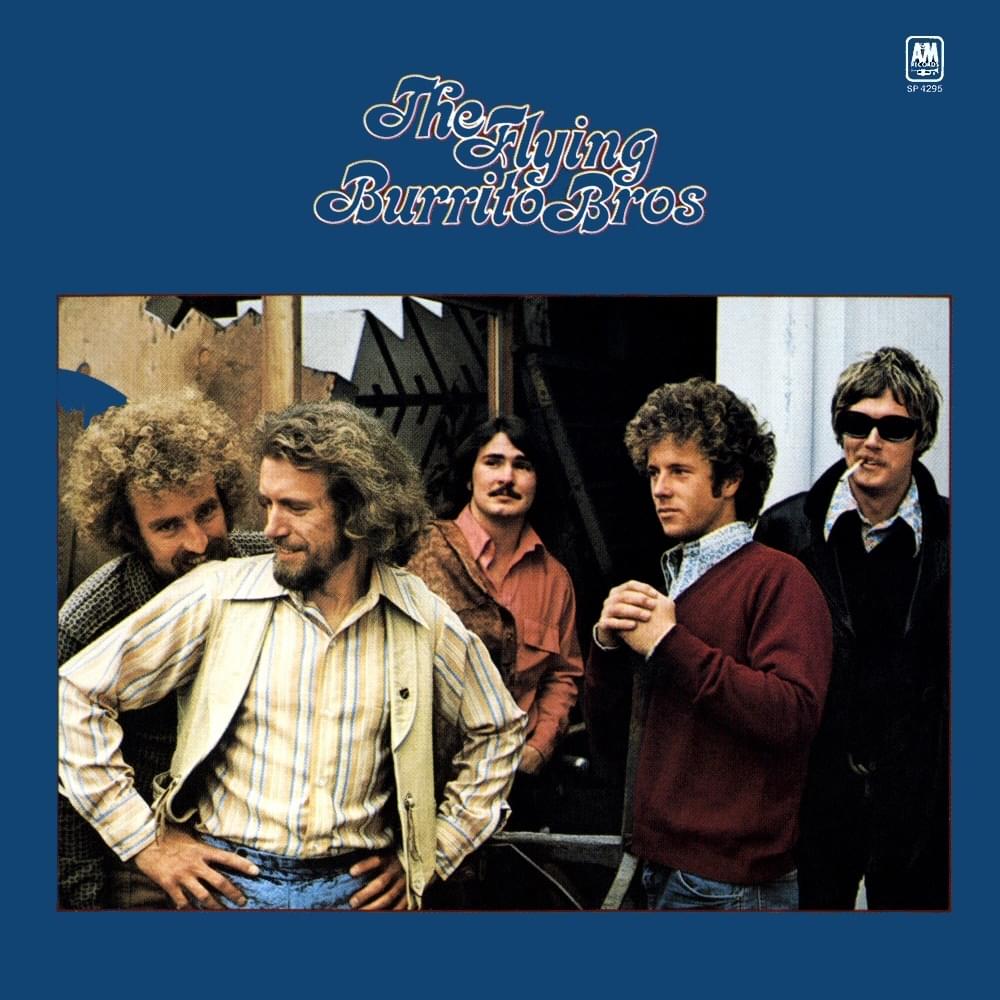
 View Artist