Song Meaning
The narrator is looking back at a period of restless wandering, specifically leaving behind the familiar landscape of "Colorado" for the allure of life "on the road." This journey, however, proved to be a frantic "race" that ultimately felt unsustainable. The initial desire for escape has curdled into a profound sense of homesickness and regret, a stark contrast to the freedom initially sought. The lyrics paint a picture of someone realizing their mistake and yearning for the stability they left behind.
The central tension lies in the narrator's failed attempt at self-discovery through travel versus the deep-seated need for belonging. The "woman" left behind in Verse 2 serves as a poignant symbol of sacrificed connections, a casualty of the narrator's impulsive departure. The phrase "I could have loved her if I'd only had the time" highlights a missed opportunity, a regret that likely fuels the current desire to return. This regret is amplified by the realization that the "race" was not only too fast but also fundamentally misguided.
The most striking element is the direct address to "Colorado," personifying the state as a welcoming entity capable of offering solace. The repeated plea, "I wanna come home," transforms from a simple wish into a desperate entreaty by the end. The bridge's admission, "I was too young to know what I'd done / I made my plans but I was wrong," is a raw confession of youthful folly and a clear acknowledgment of the error in judgment that led to this prolonged period of "alone." The lyrics suggest a profound shift from seeking external validation to recognizing the value of what was abandoned.
Ultimately, the effectiveness of these lyrics stems from their unvarnished portrayal of regret and the yearning for home. The simple, direct language, particularly the repeated "I wanna come home," bypasses complex metaphor to deliver a universally understood emotional punch. The narrative arc, from leaving to realizing the mistake and finally attempting to return, resonates because it captures the common human experience of chasing something elusive only to discover that true contentment was closer than imagined. The final lines, "Won't you let me come home?" leave the listener with a sense of hopeful anticipation, a plea for redemption.
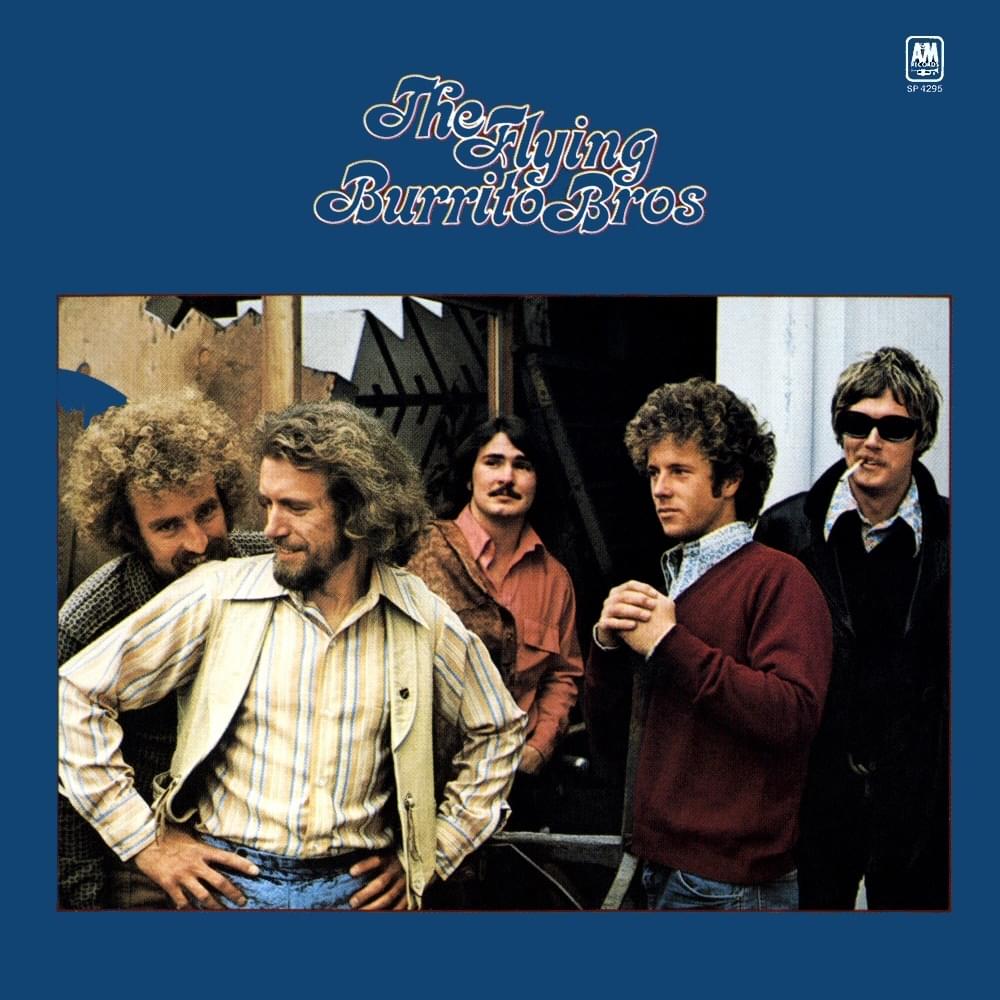
 View Artist