Song Meaning
The lyrics paint a stark portrait of solitary waiting. The opening lines immediately establish a scene of quiet anticipation, with the narrator observing someone poised at a window as the day ends. This visual is underscored by a fleeting hope, a misheard sound that quickly dissolves into disappointment. It’s a moment suspended between memory and a desperate present.
The central tension lies in the stark contrast between past promises and the enduring present reality. The departed figure left with a casual assurance – "he wouldn't be long" – a promise now rendered hollow by the passage of seasons. The shift from "spring" to "leaves have all turned brown" powerfully signifies the erosion of time and the deepening of isolation. Her bed is now shared only with "lonliness she has found."
The recurring image of waiting at the window is the song's most potent device. It’s a physical manifestation of her emotional stasis, a refusal to accept the absence. The lyrics suggest a cyclical pattern of hope and despair, with each passing day bringing only a "colder" room and "harder to hold" tears. Yet, her love remains steadfast, "saves her love for the day she knows he'll come home."
This unwavering devotion, set against the backdrop of profound loneliness and the relentless march of time, creates a poignant emotional resonance. The craft here lies in its restraint; the absence of the departed figure is felt more acutely through the narrator's persistent, quiet vigil. It’s the quiet ache of hope that refuses to die, even when all evidence points to the contrary.
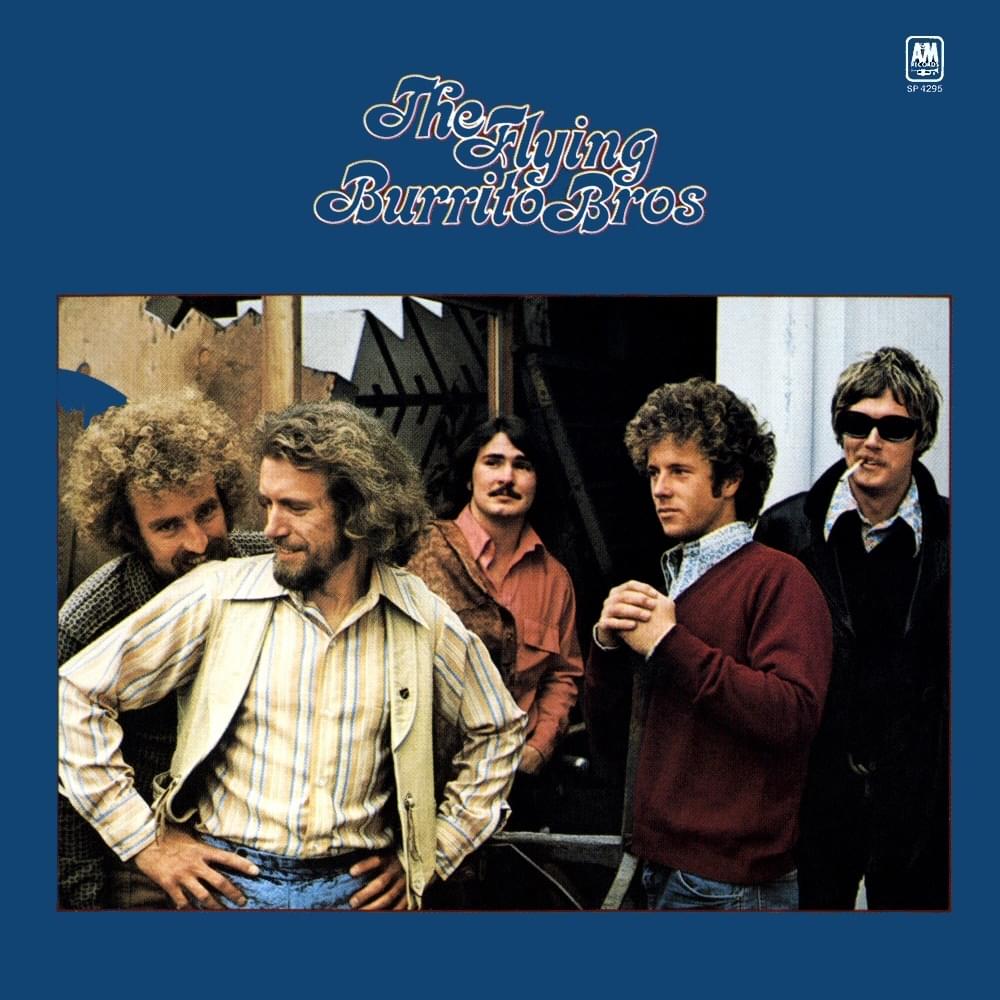
 View Artist