Song Meaning
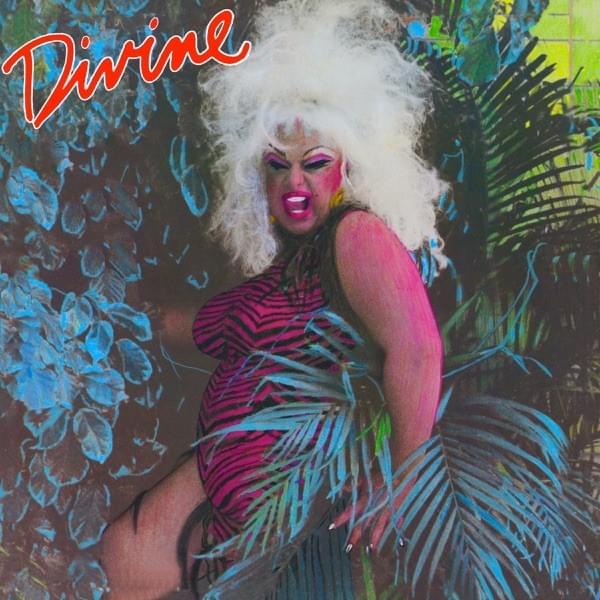
The lyrics paint a picture of a defiant persona, repeatedly invoking the "Jungle Jezebel" as a self-proclaimed identity. This "Jezebel" is clearly not one to be trifled with, pushing back against accusations of weakness and control. The narrator rejects being called a "sissy" or a "wimp," directly confronting an unnamed accuser with a sharp "who you callin' a blimp?" This establishes an immediate tension: a battle of perceived identities and a refusal to be diminished.
The core conflict seems to revolve around power dynamics and societal judgment. The narrator disavows any subservient role, stating, "I ain't your Aunt Jammima and honey, you ain't my pimp!" This line, in particular, uses loaded cultural references to emphatically reject being categorized or controlled, suggesting a struggle against imposed roles and expectations. The repeated invocation of "Jungle Jezebel" transforms a potentially derogatory label into a badge of fierce independence.
The imagery takes a wild, almost surreal turn with the lines about "natives" and being "thrown in the pot." This dramatic shift from personal confrontation to a primal, cannibalistic threat amplifies the narrator's perceived danger and wildness. It suggests a feeling of being misunderstood and potentially devoured by external forces, but the narrator's response, "They're servin' me up hot," implies a defiant embrace of this perceived fate, turning it into a spectacle rather than a defeat. The phrase "Open sesame" adds a layer of mystique, hinting at unlocking hidden potential or escaping a confined situation.
Ultimately, the effectiveness of these lyrics lies in their aggressive, almost confrontational energy and the unexpected twists in imagery. The narrator weaponizes insults and transforms them into declarations of self-possession. The juxtaposition of domestic references like "Aunt Jammima" with primal jungle imagery creates a unique and unsettling portrait of someone who refuses to be tamed or defined by others, embracing a wild, untamed identity.
 View Artist