Song Meaning
The lyrics paint a picture of sudden, jarring realization, a feeling of having been blindsided by life. The opening lines, "Nervous, crashed in / To incoming traffic," immediately establish a sense of uncontrolled collision and anxiety. The narrator grapples with a distorted sense of time, questioning "When is phasing time," and notes a profound shift where "Nothing feels the same, I hope." This sets a tone of disorientation and a desperate wish for things to return to a perceived normalcy that may never have existed.
The core emotional tension lies in the stark contrast between past perception and present reality. The repeated refrain, "Man, I thought I was living / Now I know I wasn't living," is a brutal self-assessment. It’s not just a simple mistake; it’s a fundamental re-evaluation of one’s entire existence. The slight variation in the chorus, "Man, I might just be living," introduces a flicker of hope or perhaps a tentative embrace of the present, but it’s overshadowed by the certainty of past delusion.
The craft here hinges on sharp, fragmented imagery and a sense of unraveling. Phrases like "Loose ends, plastic / Baring without mention" suggest a superficiality or a hidden decay. The image of shattering "like glass in the cold" powerfully conveys fragility and the painful impact of this newfound awareness. The bridge reveals a breakdown of trust, with the narrator feeling manipulated "twisting the how / The where, the why, the what about," indicating a deep sense of betrayal that fuels the need to "begin, again."
Ultimately, the effectiveness of these lyrics comes from their raw honesty about self-deception and the painful process of waking up. The repetition of the central realization hammers home the severity of the narrator's epiphany. It’s the feeling of realizing you’ve been sleepwalking through life, only to be jolted awake by a harsh, undeniable truth, leaving you to confront the wreckage and the daunting task of actual living.
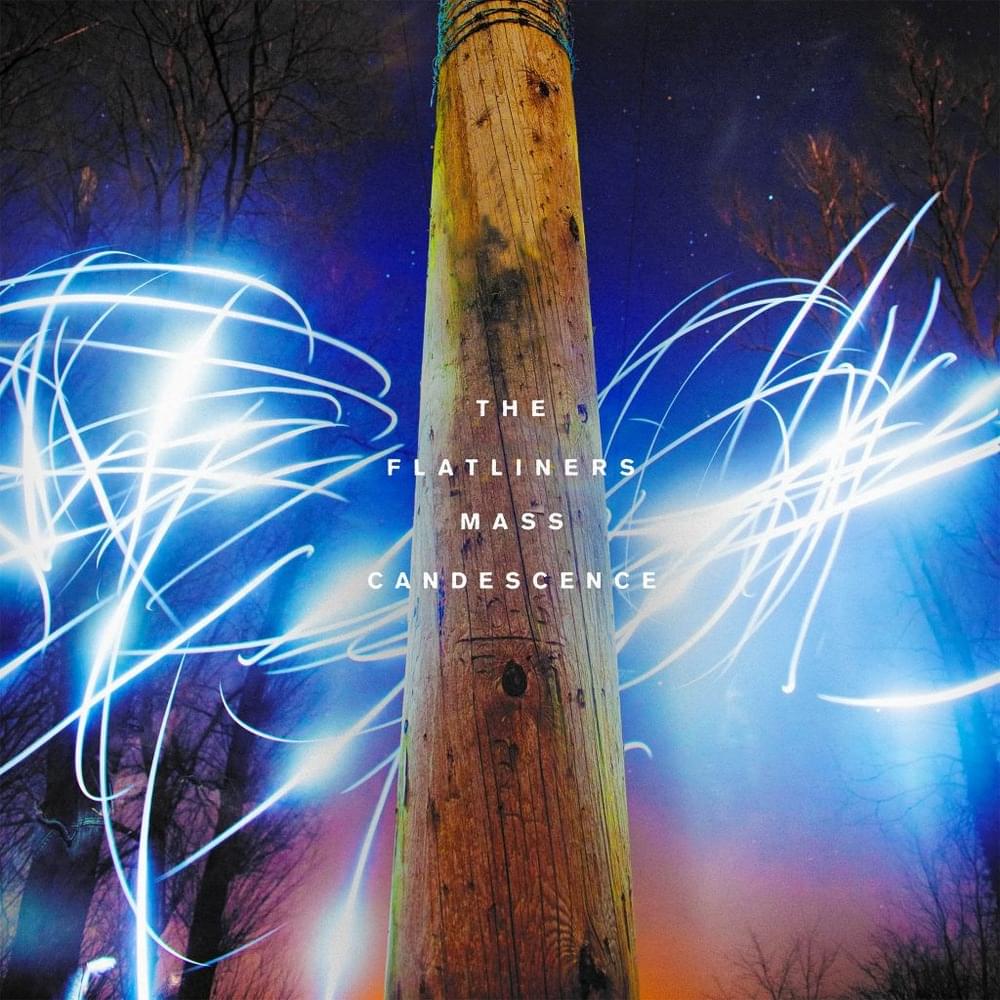
 View Artist