Song Meaning
The narrator drives toward the sea, deliberately missing exits and passing by trees they wish they’d explored. This suggests a deliberate avoidance of potential paths or experiences, a conscious turning away from possibilities. The imagery of ignoring "exit sounds" and passing "trees" creates a sense of missed opportunities or roads not taken. The destination, the sea, feels less like a choice and more like an inevitable pull, a place of emotional depth or perhaps finality.
The core tension seems to lie between the physical act of driving and an internal, emotional landscape. The narrator is physically moving, yet their focus is on what they are leaving behind or actively ignoring. The question, "Could you hear / The weeping sounds?" introduces an auditory element that contrasts sharply with the visual of the drive, hinting at an underlying sorrow or distress that might be audible only to a specific listener, or perhaps only to the narrator themselves.
The most striking craft element is the juxtaposition of the outward journey with the internal state. The "sea" and the "trees" are concrete images, but they serve to frame a more abstract emotional experience. The shift from ignoring exits to wishing to travel down them, and then the sudden, almost subterranean question about "weeping sounds," creates a disorienting effect. It’s as if the external journey is a metaphor for an internal one that’s becoming increasingly difficult to navigate or conceal.
This piece resonates because it captures a specific kind of melancholic inertia. The act of driving, often associated with freedom or escape, here feels like a passive movement toward an unknown, possibly somber, end. The lyrics effectively use simple, evocative imagery to hint at a complex emotional state, leaving the listener to ponder the unspoken reasons behind this solitary, regret-tinged journey toward the vastness of the sea.
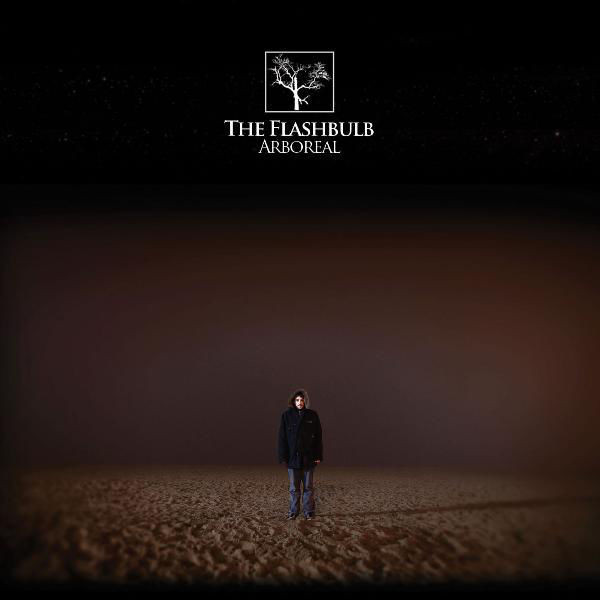
 View Artist