Song Meaning
The lyrics paint a picture of devoted, almost cosmic, adoration. The narrator casts themselves as a celestial body, specifically the moon, orbiting a central figure, the Earth. This isn't just a passing fancy; it's framed as an inherent, almost gravitational pull. The opening lines establish this dynamic, comparing the moon's faithful orbit to the narrator's own commitment. It's a simple, yet profound, declaration of unwavering presence.
The core tension lies in the narrator's self-effacing position relative to the object of their affection. They are the moon, content to orbit, to be pulled by "logical gravity" that keeps them "in my view." This isn't a relationship of equals, but one where the narrator finds purpose and fulfillment in their subordinate, yet constant, role. The imagery of the sun shining "all around you" further emphasizes the beloved's centrality, with any light reaching the narrator being a mere byproduct, "the least I can do."
The most striking aspect of the craft is the consistent, almost obsessive, use of astronomical metaphors to define the relationship. The repetition of "satellite true" and the direct address, "If you'll be the Earth, I'll be your moon," solidifies this celestial pact. It elevates a personal devotion into something grand and immutable, like the laws of physics. This extended metaphor makes the narrator's commitment feel less like a choice and more like an inescapable natural phenomenon.
This lyrical approach is effective because it externalizes an internal state of absolute devotion. By likening their feelings to orbital mechanics, the narrator conveys a sense of inevitability and steadfastness. The simplicity of the language, combined with the grand scale of the imagery, creates a powerful emotional resonance, suggesting a love that is both all-consuming and eternally present, defined by its orbit around another.
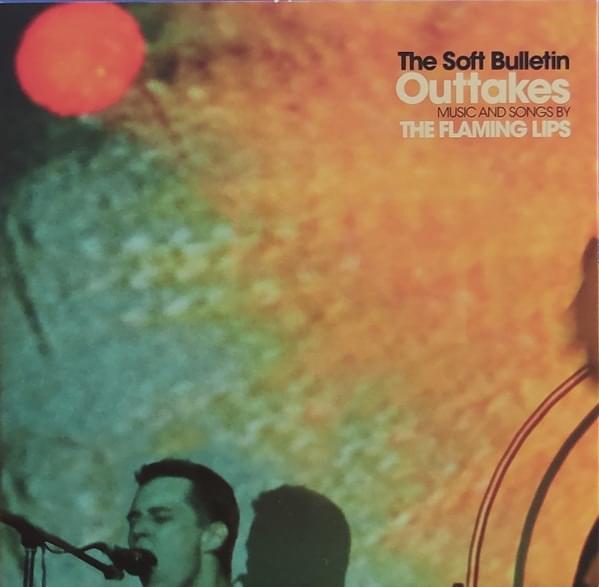
 View Artist