Song Meaning
The lyrics paint a picture of escalating consequences, starting with a seemingly harmless initial offering. The phrase "the first one's free" sets up a deceptive premise, immediately contrasted by the rising cost of subsequent actions: "the second is more, the third one takes time and a-here comes four." This progression suggests a trap, where an initial, easy step leads to increasing difficulty and commitment. The narrator seems to be warning against this slippery slope, urging the listener to "leave it alone" before the situation becomes overwhelming.
The core tension lies in the struggle against this inevitable escalation and the resulting distress. The imagery of "cursin' and cryin' 'til your cow come home" evokes a deep sense of frustration and helplessness, a state of being stuck in a negative cycle. The narrator's own experience, "I handle my ups, I handle my downs, I've been all alone said I've been underground," hints at a personal history of navigating difficult circumstances, perhaps even the very trap being described. This suggests a hard-won wisdom about the true cost of initial temptations.
The most striking element is the stark, almost surreal shift in the third verse. The lines about "prisoners," a "long cotton field," a "machine gun," and a "woman was killed" introduce a violent, tragic dimension that is jarringly disconnected from the earlier, more abstract warnings. While the connection isn't explicit, this abrupt insertion of extreme suffering seems to amplify the potential danger of the initial "free" offer, implying that the ultimate price could be devastatingly high, even life-altering or fatal. It transforms the abstract warning into a concrete, terrifying possibility.
This lyrical construction is effective because it builds from a relatable, almost mundane observation about freebies to a profound, unsettling commentary on irreversible actions and their hidden costs. The repetition of the central refrain hammers home the warning, while the unexpected, grim imagery in the middle verse forces a re-evaluation of the stakes. It leaves the listener with a lingering sense of unease, prompting reflection on the choices that seem easy at first but carry the heaviest burdens.
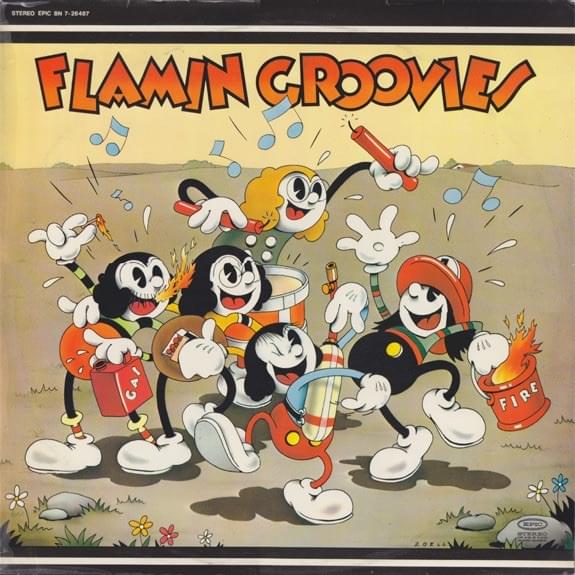
 View Artist