Song Meaning
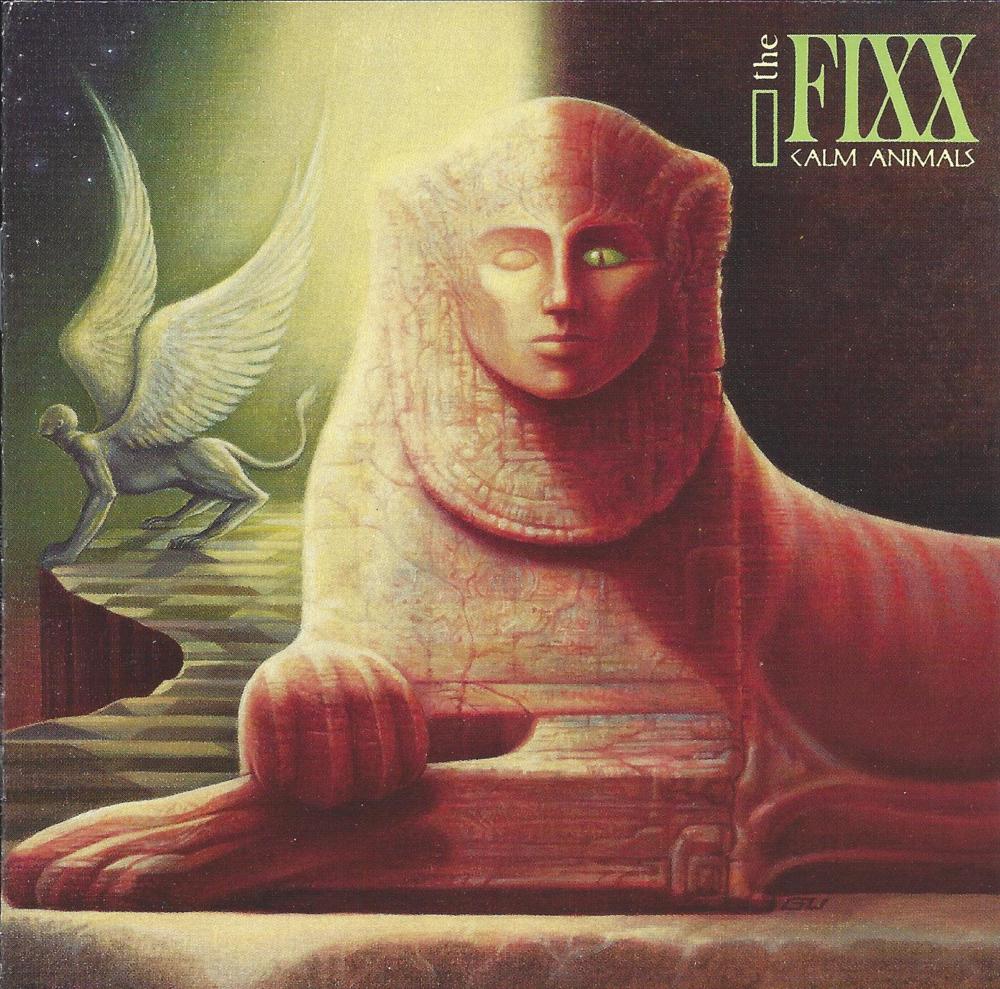
The lyrics paint a stark picture of "calm animals" existing in a state of wary expectation, their lives dictated by a "shrinking plain" and the inherent "economics" of their environment. This initial image suggests a natural order where survival means constant vigilance, a subtle tension between peace and suspicion that ultimately leads to the "pastures die." The repeated "calm calm calm" emphasizes a forced or inherent passivity that contrasts sharply with the harsh realities they face.
This natural state is then explicitly contrasted with a human "civilized" existence. The narrator observes that while "calm animals" might be "free on a shrinking plain," humanity, given the "chance was given to think social," has instead "choke[d] on greed and excess." The "code stifles" and a "race with gestures has lost its way," indicating a societal breakdown where progress has led to a loss of direction and authentic connection.
The most striking element is the direct indictment of human behavior as a perversion of natural order. The lyrics propose that "calm animals" are inherently more honest in their expectations and limitations, whereas humans, despite their capacity for social thought, "live the lie" for "politics" and succumb to "greed and excess." This creates a profound sense of disillusionment, suggesting that our "civilized" state is a regression, not an advancement.
Ultimately, the effectiveness of these lyrics lies in their sharp, almost bleak, juxtaposition of natural instinct and human failing. The closing lines, "Part of history will wonder why," leave the listener with a lingering question about the choices made, implying a deep regret for a path that led away from a simpler, albeit more precarious, existence. The writing forces a contemplation of what "calm" truly means and how our pursuit of civilization has led us astray.
 View Artist