Song Meaning
This song paints a picture of love not as a constant state of bliss, but as a dynamic, often challenging, experience. The opening lines immediately set a tone of emotional ebb and flow, suggesting that true love requires a willingness to endure both joy and sorrow. It's a pragmatic view, acknowledging that relationships demand a give-and-take, and that vulnerability is an essential component. The repeated phrase, "That's the story of, that's the glory of love," acts as a refrain, reinforcing this idea that the very messiness of love is what gives it its profound value.
The central tension lies in the contrast between external hardship and internal connection. The lyrics propose that even when "the world is through with us," the bond between two people offers a sanctuary. This isn't about conquering the world together, but about finding solace and strength in each other's presence when external circumstances become overwhelming. The "two of us" become a self-contained universe, capable of weathering any storm as long as they have "each other's arms."
The most striking craft element is the use of parallel structure and contrasting pairs. "Give a little, take a little," "laugh a little, cry a little," and "win a little, lose a little" all highlight the balanced, often contradictory, nature of love. This repetition emphasizes that these dualities are not exceptions but the very fabric of a loving relationship. The inclusion of "always have the blues a little" adds a layer of melancholic realism, suggesting that a touch of sadness is an inherent part of the experience, not a sign of failure.
Ultimately, the lyrics resonate because they offer an honest, unvarnished portrayal of love. It's not about grand gestures or perfect harmony, but about the quiet resilience found in shared experience. The "glory" isn't in avoiding pain, but in navigating it together, finding profound meaning in the shared narrative of a life lived side-by-side. The song suggests that the enduring strength of love is found precisely in its capacity to hold both the light and the shadow.
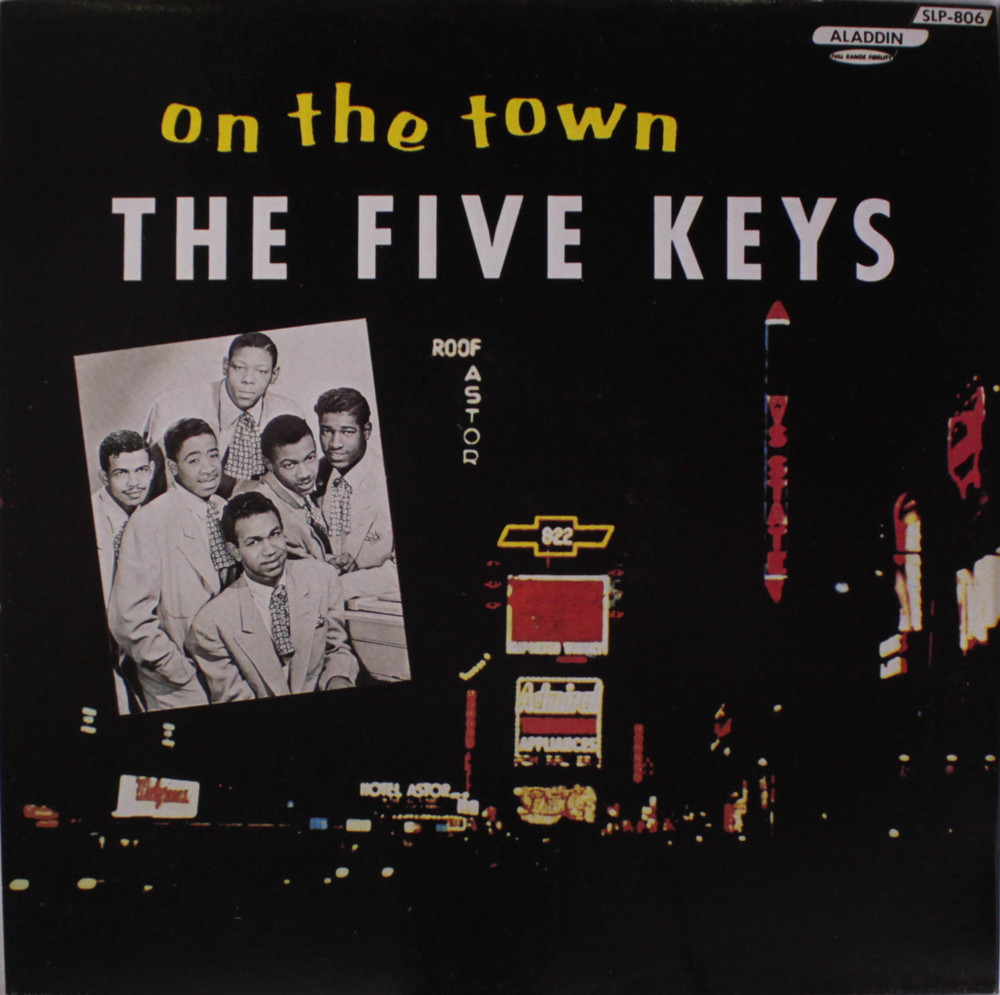
 View Artist