Song Meaning
The lyrics paint a picture of an internal, almost involuntary, drive to express oneself, likening it to a bird's song or a heart's natural rhythm. There's a stark contrast drawn between this vital impulse and the emptiness of a "man with no soul," described as "wooden and hollow." This sets up an immediate tension between authentic existence and a soulless, unfeeling state. The recurring phrase "This gentle hum" emerges as a central motif, presented as a nascent force that has the power to connect people, to "make us one."
The narrator expresses a profound wish for another person's relief from sorrow, hoping for their "end to your sorrow" and a hopeful "wake up tomorrow." However, this hopeful vision is immediately undercut by the stark, solitary word "Alone," suggesting that even in wishing well for another, a sense of isolation might persist or be the ultimate outcome. This creates a poignant emotional conflict between the desire for connection and the reality of individual experience.
The most striking craft element is the juxtaposition of the intimate, almost spiritual "gentle hum" with the stark, public imagery of "Solemn faces in the courtroom stare." This unexpected shift introduces a sense of judgment or public scrutiny into an otherwise personal and internal narrative. The "gentle hum" is then directly linked to waking up, suggesting it's a force that can bring about a new beginning or a return to consciousness, perhaps even in the face of external judgment.
Ultimately, the effectiveness of these lyrics lies in their ability to evoke a sense of quiet, persistent hope and connection through the simple, evocative image of a "gentle hum." The contrast between inner feeling and outer reality, coupled with the unexpected courtroom imagery, creates a complex emotional landscape. The repeated assertion that this hum will "make us one" offers a powerful, if understated, vision of shared experience and emotional resonance, finding a "loving feeling" both within and for others.
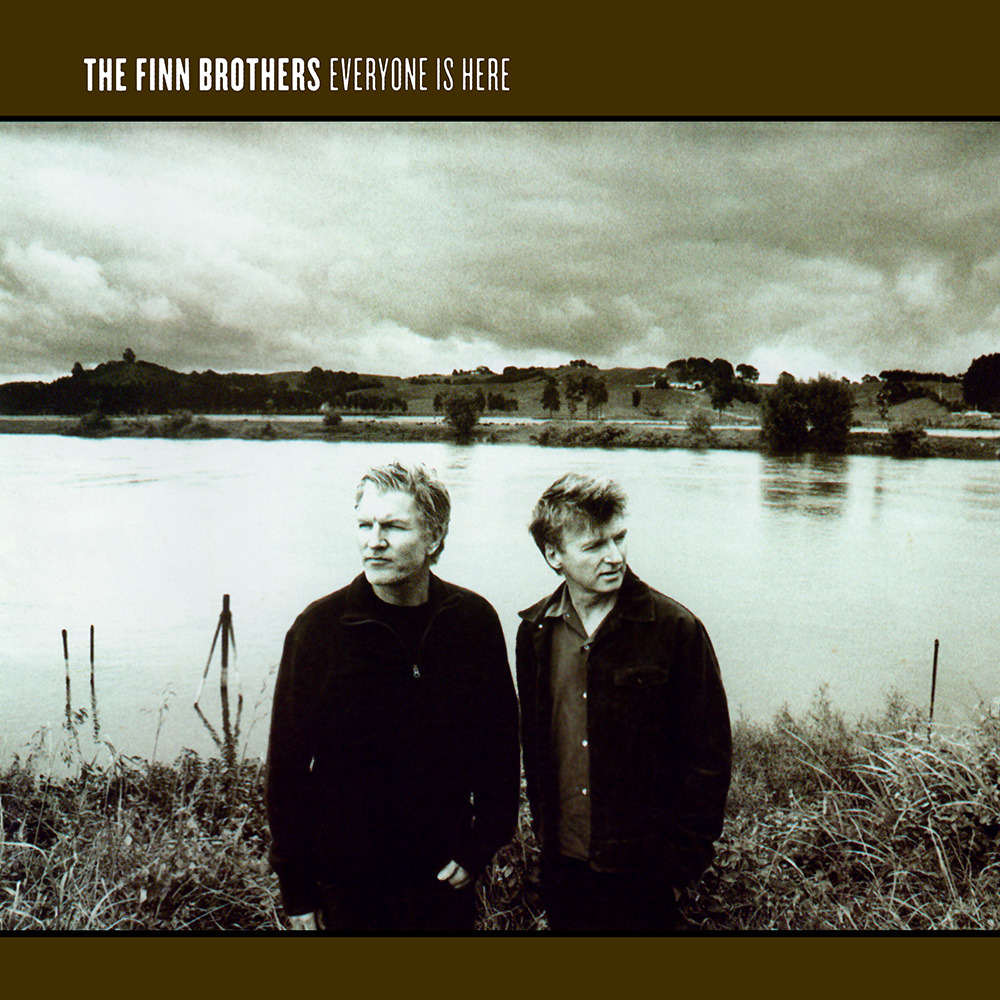
 View Artist