Song Meaning
The lyrics open with a provocative statement: "We're all God's children / And God is a woman." This immediately reframes a familiar concept, introducing a divine maternal figure while simultaneously highlighting an unresolved mystery: "But we still don't know / Who the father is." This foundational question carries significant weight, as the narrator admits, "There's a fortune riding / On the answer to that question." The initial lines establish a sense of cosmic uncertainty and a deep-seated need for answers.
The central tension emerges from this unresolved paternity, which seems to mirror societal divisions and a collective yearning for connection. The lyrics suggest a pause in conflict, a moment where "we forget the enemy," hinting at a shared, unspoken truth or a hidden agenda. The repeated plea, "Got to make you less lonely," underscores a deep-seated desire for unity and companionship, perhaps stemming from this very lack of a definitive paternal figure or guiding principle. This yearning is further complicated by the paradox of "globalizing / But we don't like competition," revealing a societal impulse towards connection that is simultaneously undermined by an aversion to rivalry.
The most striking craft element is the juxtaposition of the sacred and the mundane, the cosmic and the personal. The idea of God as a woman, yet with an unknown father, creates an immediate intellectual and emotional hook. This is amplified by the almost casual observation, "But you're so damn pretty / And don't you know it," which follows the grand pronouncements about divine parentage. This shift suggests that perhaps the answer to the grand question isn't found in theology but in interpersonal dynamics, in moments of connection and reconciliation, as indicated by "There's a kiss and then / We all make up."
Ultimately, the effectiveness of these lyrics lies in their ability to weave profound theological and existential questions into relatable human desires. The repeated phrases about loneliness and the need to connect, coupled with the unresolved mystery of the father, create a potent emotional landscape. The lyrics suggest that the search for answers, for belonging, and for alleviating loneliness are intertwined, driving a collective, almost desperate, plea for resolution and attention, as seen in the final lines, "Help me / Don't make me less lonely / Don't you drive me out."
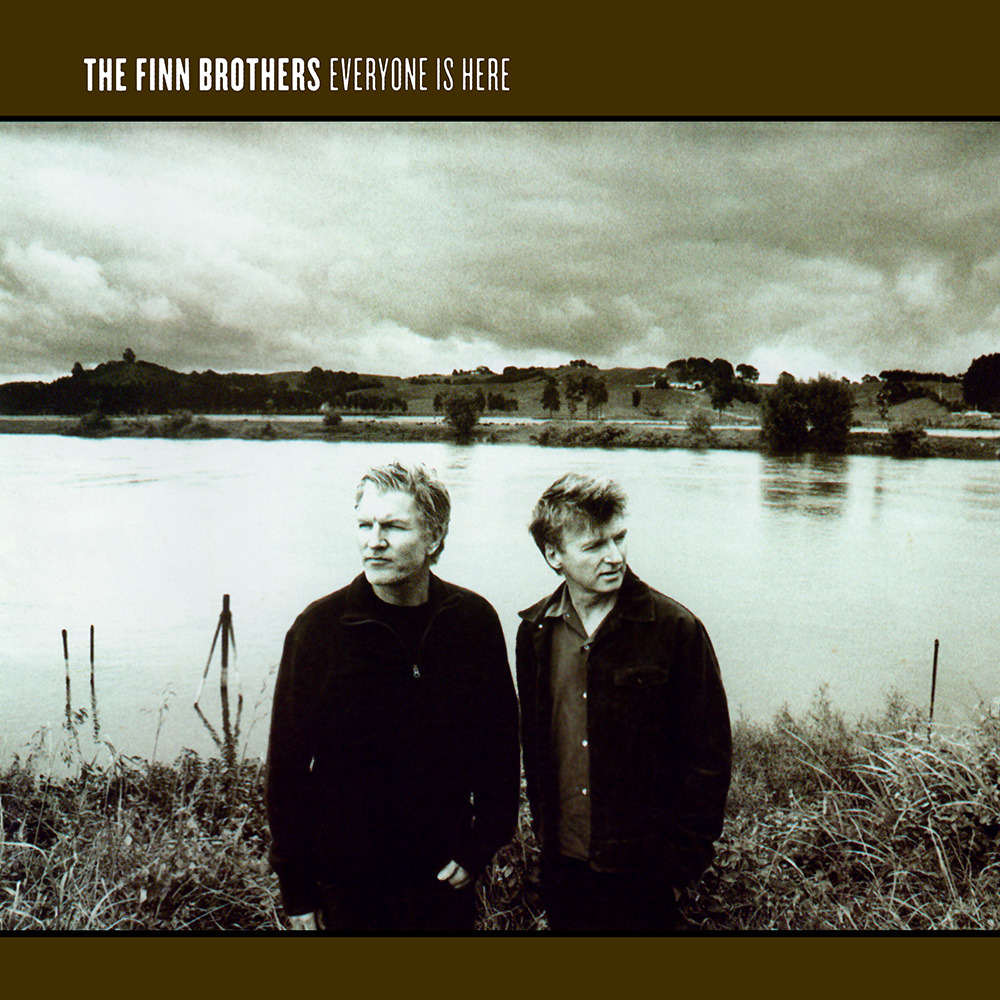
 View Artist