Song Meaning
The narrator asserts a newfound self-sufficiency, stating "I've got a good head on me now." This declaration frames the subsequent reflections not as a lament, but as a clear-eyed assessment of past dynamics. The focus shifts to the personal responsibility for maintaining relationships and self, particularly in the context of a specific shared space, "the spaces where you and I exist." This suggests a past where interdependence was perhaps mismanaged.
The core tension lies in the narrator's realization of misplaced expectations. The sweater, a tangible symbol of something needing repair, becomes a metaphor for the relationship itself. The narrator admits it was "wrong of me to expect you to know / Exactly what it was I needed sewn." This highlights a critical disconnect: the narrator assumed their partner would intuitively understand their needs, a burden no one else can truly carry.
The repeated phrase "Don't rush home" acts as a pivot point, signaling a deliberate choice to embrace solitude. This isn't about rejection, but about recognizing the value of distance for clarity. The lyrics suggest that being alone provides a perspective that was previously obscured, allowing the narrator to both understand their past mistakes and appreciate what they truly value, even if it involves what they "miss."
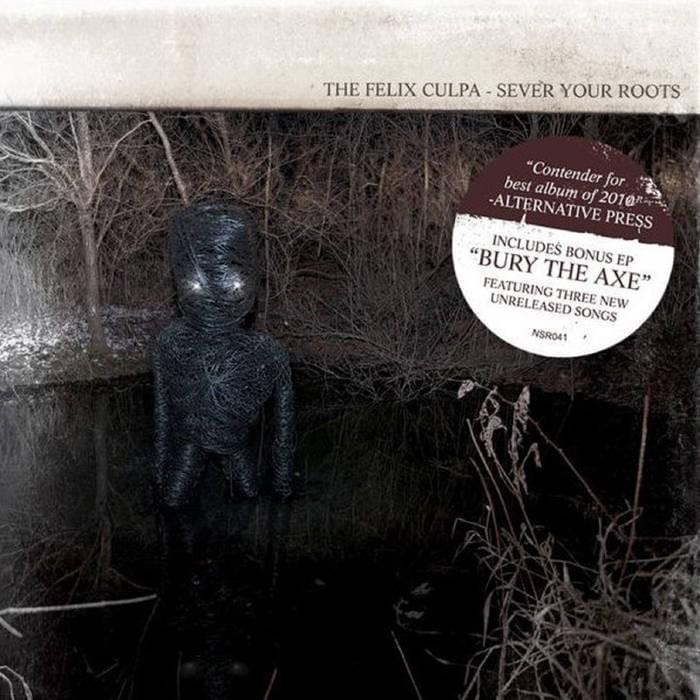
 View Artist