Song Meaning
The narrator expresses a profound weariness with existence, framing death not as a tragedy but as a potential release, contingent on finding the right soundtrack. The opening lines establish a stark, almost transactional view of mortality: "Dyin' I don't mind / Just so long as I could find / A decent song for me to die to." This isn't about a fear of the end, but a desire for a fitting, perhaps even cathartic, final experience.
The core tension lies in the narrator's isolation and lack of purpose. They are "ready to die" and "ready to move along," but the desire for connection and direction is palpable, even in their resignation. The repeated phrases "If only I had" and "If I could find" highlight a deep-seated longing for something to anchor them, whether it's a destination to walk towards or a person to converse with. Without these, life feels hollow, making the prospect of death, accompanied by a "song to die to," seem more appealing.
The lyrics employ a stark, almost minimalist approach to convey this emotional landscape. The imagery is simple yet potent: a "blindfold and a cigarette" suggests a controlled, almost ritualistic acceptance of the end, devoid of struggle. The contrast between the desire for connection ("want to walk to," "want to talk to") and the apparent absence of it underscores the narrator's profound loneliness. The repeated plea for a "song" acts as a refrain, a single, specific requirement that might make the ultimate departure bearable.
This song hits hard because it articulates a specific kind of existential despair – one where the end of life is less about a fear of oblivion and more about a desperate search for meaning or at least a dignified, aesthetically pleasing exit. The narrator isn't railing against fate; they're making a quiet, specific request, turning the final moments into a curated experience. It's the specificity of the desire for a "song to die to" that makes the narrator's profound detachment from life feel so deeply human and resonant.
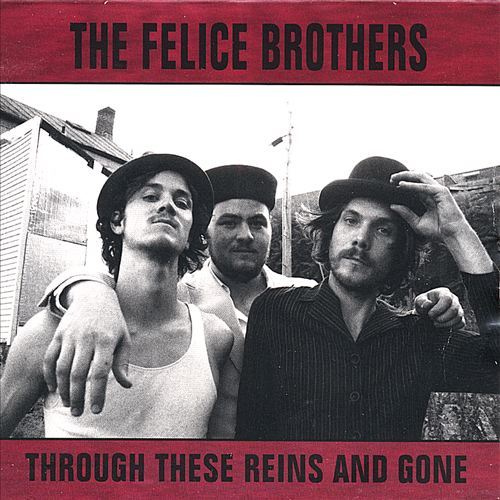
 View Artist