Song Meaning
The lyrics paint a picture of a deeply melancholic, inescapable past, referred to as the "land of yesterdays." The opening verses establish a dreamlike, almost surreal atmosphere, with "fishing in a velvet haze" and "pink carnations in a plastic vase." These images suggest a manufactured or faded memory, a place where reality is softened and perhaps distorted, but the recurring phrase "shadows are falling on a tender plain" hints at an underlying sadness that pervades this nostalgic landscape.
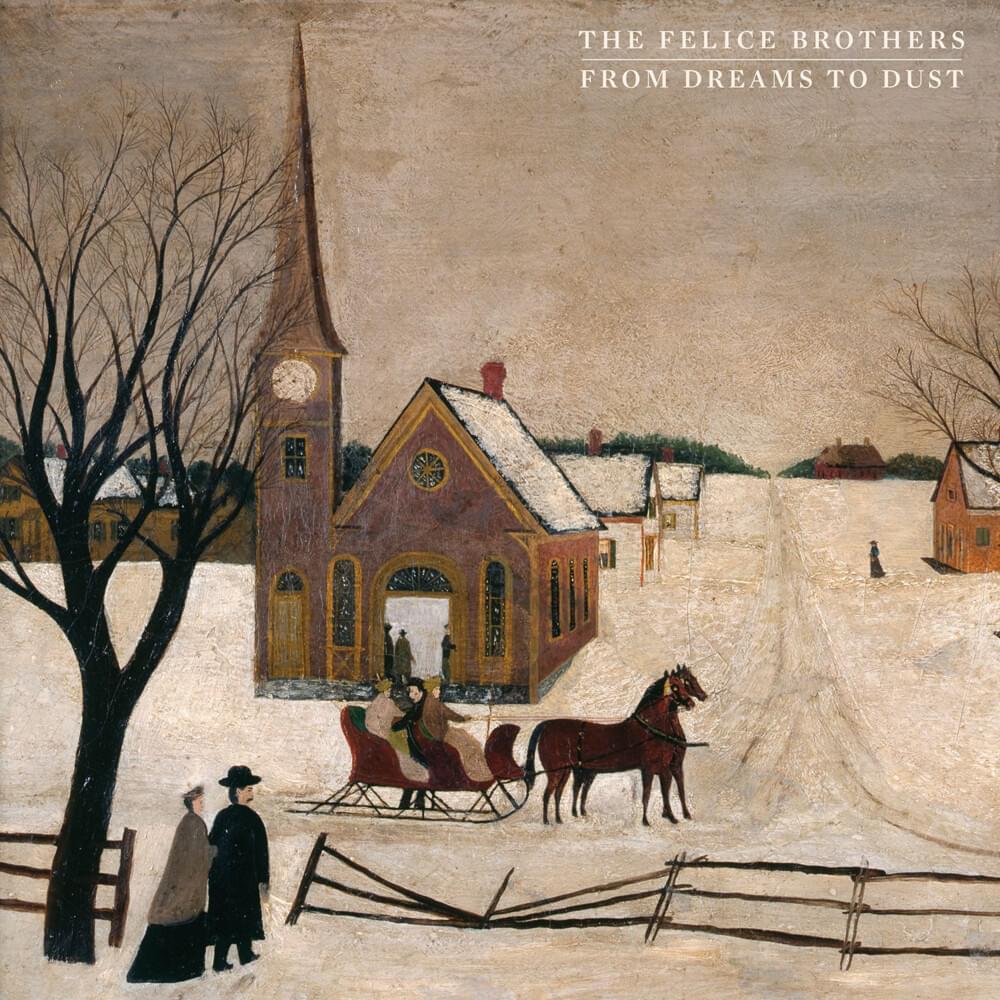
The narrative then shifts to a starker, more painful memory involving a child. The lines "Your father is sick and your things must be sold" and "An orphanage sits in the snow" introduce themes of loss, poverty, and abandonment. The prescribed gender roles in the orphanage – "sewing and cooking and baking" for girls, "hunting and money making" for boys – highlight a rigid, perhaps unfeeling, system that shapes these lost childhoods. The "mission bells toll on and on" seem to mark time that has already passed, reinforcing the sense of being trapped in a perpetual, sorrowful yesterday.
The third verse returns to the surreal imagery of the "land of yesterdays," but with a sense of frantic desperation. "Running blindly after neon trains" suggests a futile chase, a pursuit of something fleeting and unattainable within this past. The striking image of "the moon, like fire in a horse's mane" adds a touch of wild, untamed energy to the scene, contrasting with the earlier softness. Yet, the repetition of "shadows are falling on a tender plain" underscores that even these more dynamic moments are tinged with an inescapable melancholy.
The outro delivers a definitive, heartbreaking message: "You could never return." The insistent repetition of "You cannot come back" and the finality of "That island has burned" confirm that this land of yesterdays is not just a place of memory, but a lost world, irrevocably gone. The lyrics effectively use contrasting imagery – the hazy, soft memories versus the harsh realities of loss and abandonment – to convey the complex emotional weight of looking back at a past that is both cherished and deeply scarred, a place one can visit in thought but never truly inhabit again.
 View Artist