Song Meaning
The lyrics paint a surreal portrait of a "crying marshal" who seems to exist in a loop of departure and return. He leaves town repeatedly, ostensibly for "fashion exhibition," a detail that injects a bizarre, almost absurd, element into his routine. This recurring exit, coupled with the cryptic pronouncements of death, creates an unsettling atmosphere. The repetition of "So am I" suggests a shared fate or a profound, perhaps fatal, connection between the speaker and the marshal.
The central tension arises from the marshal's repeated departures and the speaker's echoing affirmation of a shared demise. The ambiguity of the marshal's reasons for leaving – "mainly for" versus "maybe to avoid" the exhibition – hints at internal conflict or a deliberate obfuscation. This uncertainty amplifies the feeling that the marshal is trapped in a cycle, and the speaker is inextricably bound to his fate, whatever it may be.
The most striking craft element is the insistent repetition of phrases like "The marshall left town over 16 times" and "So am I." This creates a sense of hypnotic inevitability, mirroring the cyclical nature of the marshal's actions and the speaker's resigned acceptance. The stark, declarative statements, particularly "He's dead he said," followed immediately by the shared declaration, create a disorienting effect, blurring the lines between life, death, and shared experience.
These lyrics resonate because they tap into a feeling of being caught in circumstances beyond one's control, echoing the pronouncements of others. The bizarre imagery of a marshal obsessed with fashion, juxtaposed with the pronouncements of death, creates a uniquely unsettling emotional landscape. It’s the feeling of being pulled into someone else's existential crisis, where their pronouncements of doom become your own, leaving you adrift in a shared, ambiguous reality.
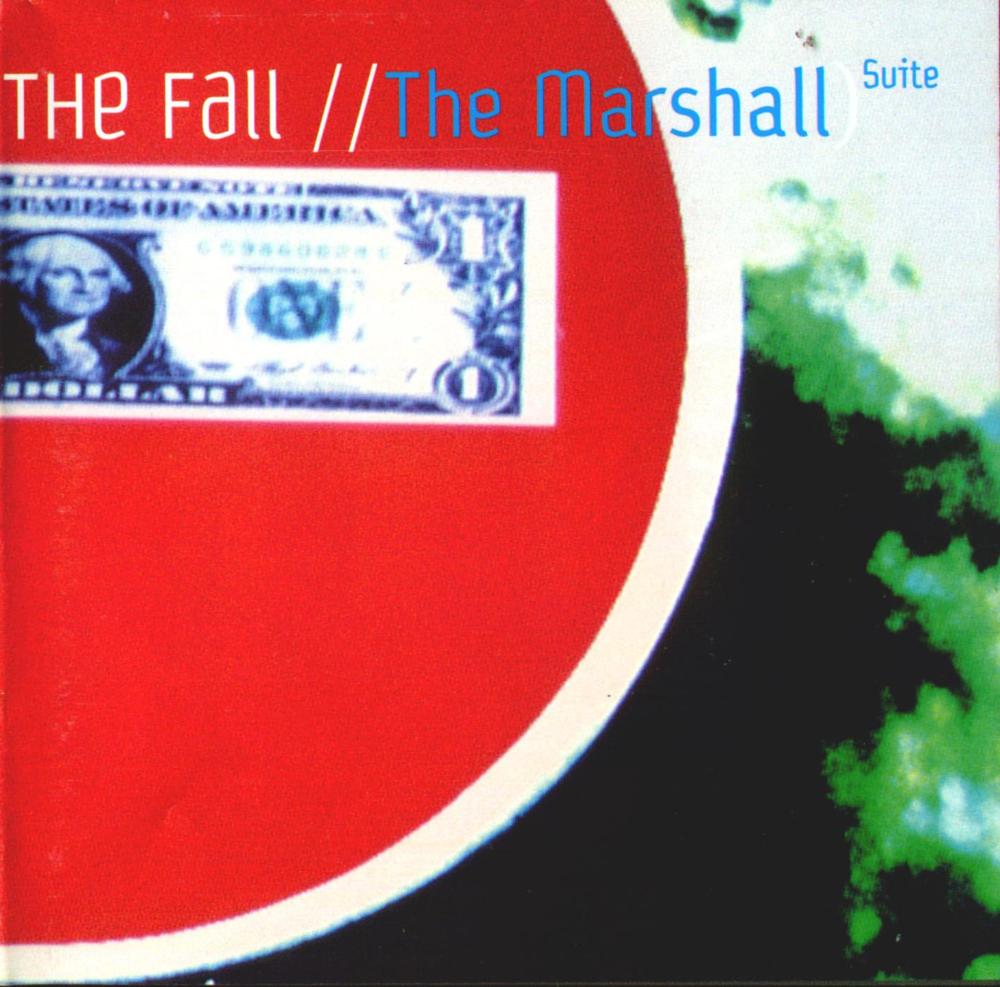
 View Artist