Song Meaning
The lyrics paint a stark, almost ritualistic picture of nocturnal wanderings with a sibling, set against a backdrop of fading light and unsettling sensory details. The repeated phrase "local loadstones" acts as a haunting refrain, grounding the abstract imagery in a specific, yet undefined, place. The "dark sunsets" and "light sea breeze" create a disorienting atmosphere, where the natural world feels charged with an almost physical, visceral energy, as indicated by the "ruffles blood" and "skin is bleeding." This suggests a journey or experience that is both physically taxing and emotionally raw.
The central tension seems to revolve around a sense of obligation or penance, hinted at by the recurring motif of "shoes for the dead" and "shoes for loadstones." These phrases, appearing in conjunction with descriptions of physical discomfort and the starkness of the environment, imply a carrying of burdens or a preparation for a somber fate. The inclusion of "shoes for the lame" further amplifies this feeling of addressing affliction or inadequacy, perhaps reflecting a shared struggle or a collective sense of being marked.
The lyrics employ a striking, almost surreal juxtaposition of mundane details with profound unease. The "pink dots off the Island of Wight" and "sails of the Island of Bergen" offer fleeting glimpses of distant, perhaps idealized, places, contrasting sharply with the immediate, almost painful, physical sensations described. The nonsensical "Sataffopsagaffop" interjections add a layer of disarray, disrupting the flow and emphasizing the disorienting nature of the experience. The narrator's hand running "across your little stone" introduces a personal, intimate element, though its context remains ambiguous, adding to the overall mystery.
Ultimately, the effectiveness of these lyrics lies in their evocative, fragmented imagery and their refusal to offer easy explanations. The "loadstones" themselves remain enigmatic, acting as anchors for a series of unsettling sensations and symbolic gestures. The repeated call for "shoes for the dead" and "shoes for loadstones" resonates as a powerful, albeit cryptic, expression of confronting mortality, shared hardship, or an inescapable destiny, leaving the listener with a lingering sense of unresolved gravity.
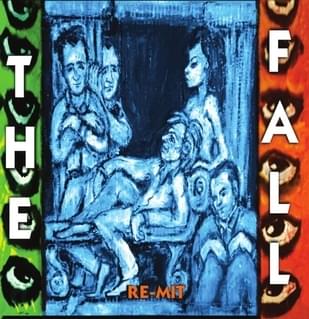
 View Artist