Song Meaning
The narrator paints a stark picture of profound isolation and weariness. There's a palpable sense of aimlessness, a constant, solitary movement "up and down the street." This physical wandering mirrors an emotional emptiness, a lack of connection so deep that "no love left for me to give." The core struggle seems to be a rejection of their authentic self, as "no one wants me the way I am," leading to a painful internal conflict between self-preservation and despair.
The central tension lies in the narrator's feeling of being fundamentally unlovable and unseen. They question the point of their existence when "nobody needs me" and observe others' happiness from a distance, wishing for just a moment of shared joy. This yearning for external validation clashes with the crushing weight of their perceived worthlessness, creating a cycle of despair where even the idea of self-harm becomes a consideration because "I just don't care no more."
The lyrics powerfully convey this desolation through stark, unadorned language. The repeated phrase "I'm not satisfied" acts as a grim refrain, summarizing a life where every attempt has failed to bring solace or acceptance. The personification of life as an abuser, "Life has been abusing me," is particularly striking, framing the narrator's suffering not as a personal failing but as an external, relentless force.
Ultimately, the raw honesty and directness of the writing make these lyrics hit so hard. The absence of complex metaphors or elaborate imagery forces the listener to confront the narrator's pain head-on. It’s the sheer, unvarnished expression of feeling utterly alone and unvalued that resonates, capturing a specific kind of existential ache.
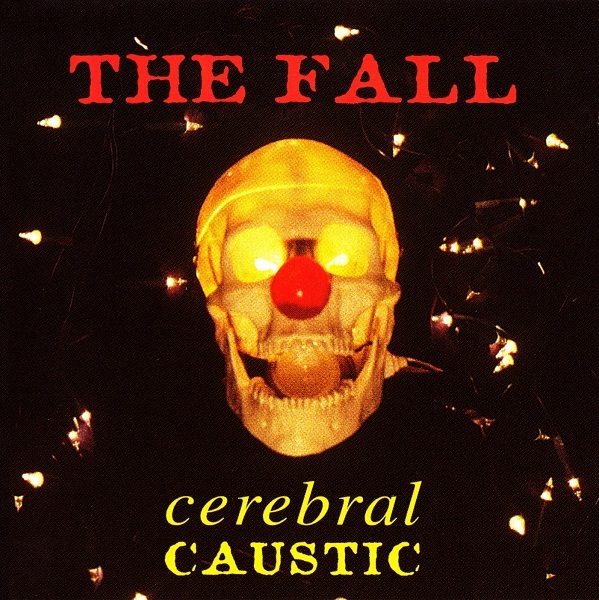
 View Artist